
Ice Dams on Kentucky Roofs: Prevention and Repair
Ice dams on a roof are a heat problem before they are a roof problem: warm attic air melts the snow, the melted snow refreezes at the cold roof edge, and the growing ice shelf pushes water backward under the shingles. Here is what causes them on central Kentucky homes, what the water does, and how to stop them.
Roof worry? Text a photo to (859) 310-1209 for a free straight answer · or call now
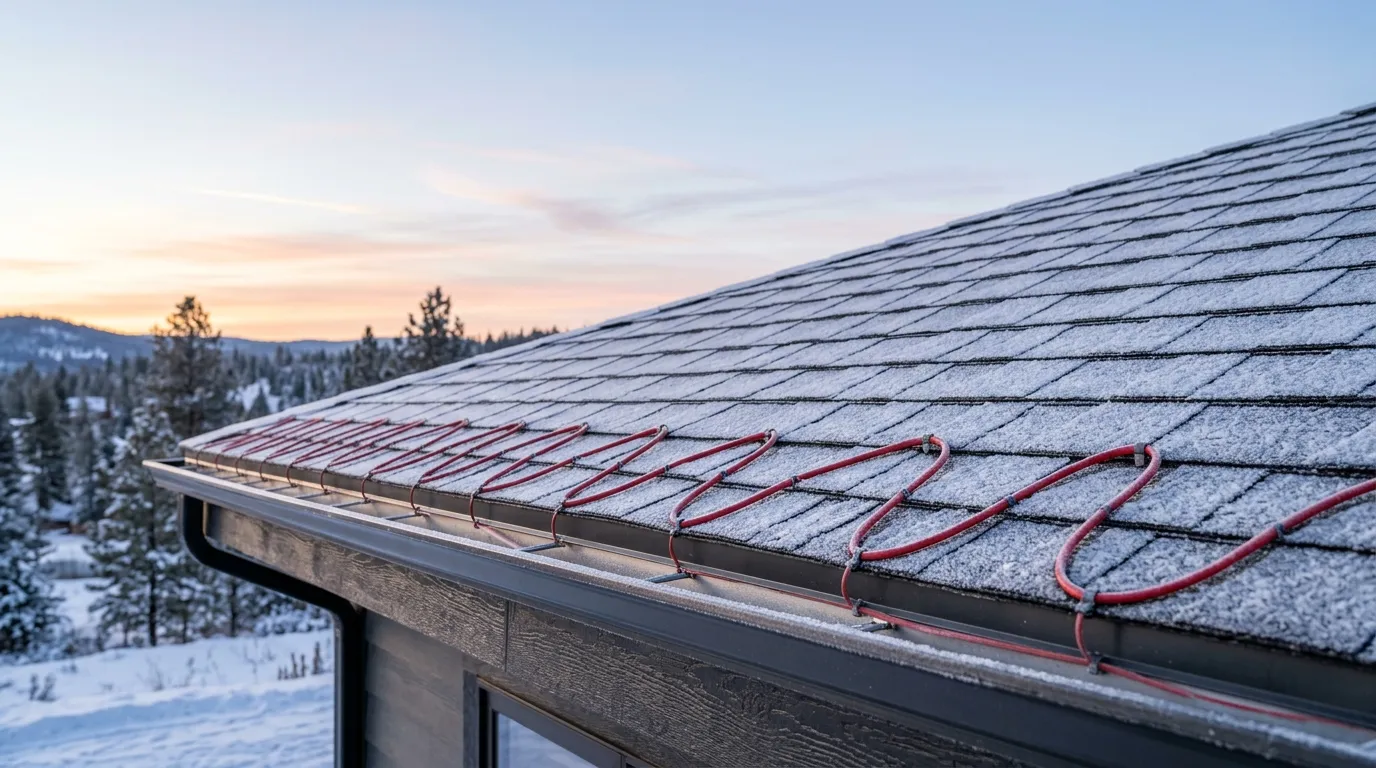
Ice dam prevention starts with a truth: hacking ice off gutters treats the symptom. The fix stack is: air-seal the attic leaks feeding the melt, insulate to keep the deck cold, ventilate so the roof runs one temperature, and armor the eaves with membrane for whatever ice still forms. Heat cable is the tactical layer where geometry makes dams inevitable.
What the Repair Involves
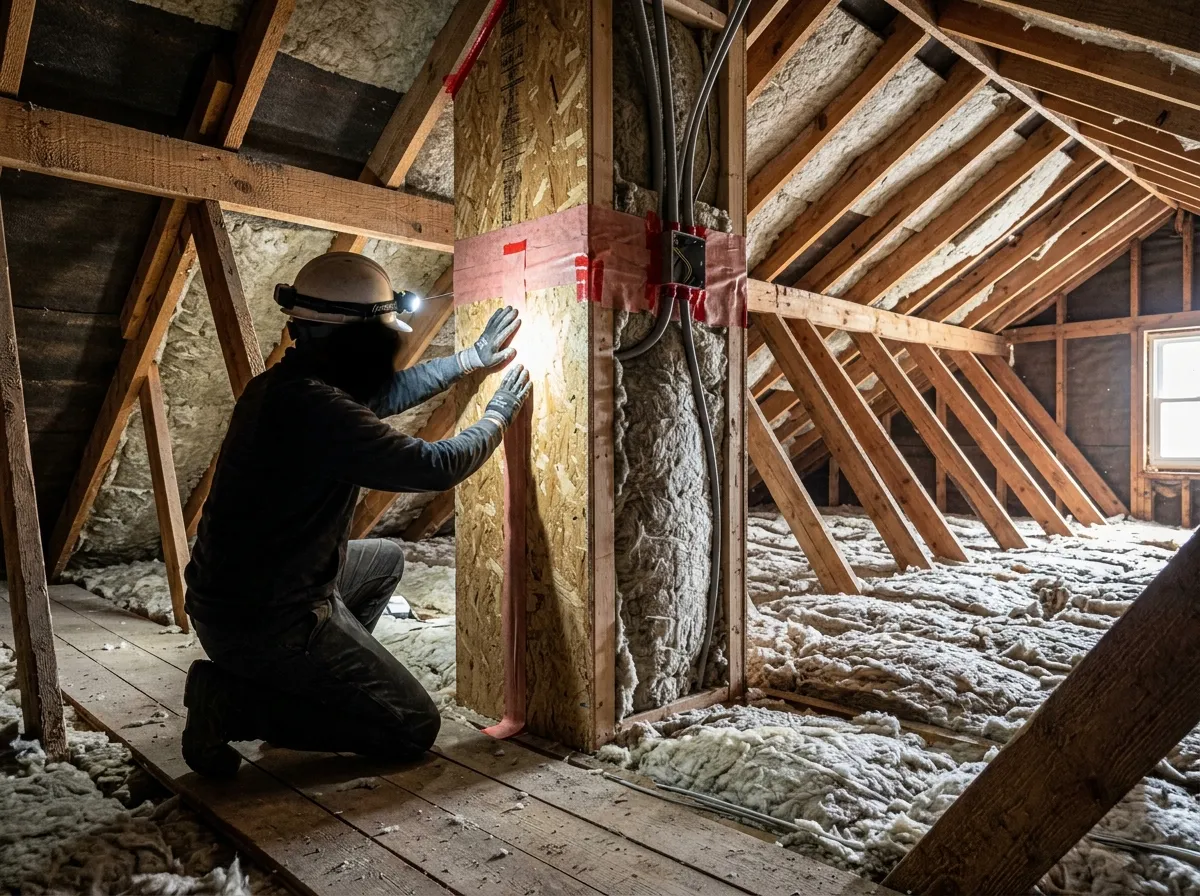
- Attic assessment: bypasses, insulation depth, ventilation path
- Air-seal the big leaks (can lights, chases, hatches)
- Confirm intake-to-ridge ventilation actually flows
- Ice & water shield at eaves during any reroof or eave repair
- Heat cable, correctly zigzagged and switched, where the roofline demands it
What It Costs
Heat cable installations typically run $400–$1,200. Attic air-sealing and ventilation corrections are quoted from the assessment — often the cheapest line with the biggest effect. Every roof is different — the photo comes first, the real number before we start, and no invoice surprises after.
Materials We Use
GAF WeatherWatch and StormGuard eave membranes, Cobra ridge vents with matched intake, and commercial-grade self-regulating heat cable — not the box-store constant-watt kind. When NWS Jackson (weather.gov/jkl) posts a winter storm warning for the corridor, these details decide whether your eave grows an ice shelf.
North-facing cabin eaves in the Gorge hollows hold snow for weeks after town is clear. If your eave grows icicles like teeth every January, the attic above it is talking to you. We answer calls from Richmond, Lexington, Berea and Winchester, and across Estill, Powell, Lee, Wolfe, Owsley and Breathitt counties and the Red River Gorge. If a dam already pushed water inside, that damage is handled through our roof repair service.
Not sure this is your problem? Text a photo and find out free — no sales inspection, just a straight answer today.
What is an ice dam?
An ice dam is a ridge of ice that forms along the lower edge of a roof and stops melting snow from draining into the gutters. The water pools behind the dam, works up under the shingles and underlayment, and shows up inside as a stained ceiling, a wet wall or drips at a window head. Thick icicles hanging from the eave are the usual first sign; the shelf of ice behind them is the dam.
What causes ice dams on a roof?
Snow on the roof melts where the roof deck is above freezing and refreezes where it is below freezing. On a well-built roof the whole deck stays close to the outdoor temperature and the snow melts evenly or not at all. On most homes the upper roof runs warmer than the eaves, and that difference is the cause. The heat comes from four places:
Air leaking from the house into the attic
Recessed can lights, the attic hatch, plumbing and duct chases, the top plates of interior walls. Warm, moist indoor air moves through these gaps and warms the underside of the deck. Air leakage, not thin insulation, is the largest single cause on the homes we open up.
Bath fans, dryer vents and ducts that end in the attic
An exhaust fan that dumps into the attic instead of outside adds heat and a great deal of moisture. Leaky ductwork running through the attic does the same.
Chimneys and flues
A masonry chimney or a metal flue passing through the attic radiates heat to the deck around it, which is why ice dams often start near the chimney.
Too little insulation, or insulation blocking the soffit vents
Insulation that is thin, compressed or missing over the eaves lets heat through. Insulation stuffed into the eave bays blocks the intake vents, so the ventilation that should carry heat out never starts. Our note on soffit vents and intake ventilation explains the intake-and-exhaust balance.
How do I stop ice dams on my roof?
In this order, because the first items fix the cause and the last ones manage the symptom:
1. Air-seal the attic. Seal the can lights, hatch, chases and top plates from the attic side. This is the highest-return step and it also lowers the heating bill. 2. Insulate to the right depth, with baffles at every eave bay so the insulation never covers a soffit vent. 3. Ventilate so the roof runs one temperature: intake at the soffits, exhaust at the ridge, and never more exhaust than intake. 4. Protect the edge. When shingles are replaced, a self-adhered ice and water shield at the eaves and valleys keeps backed-up water from reaching the deck; it does not stop the dam, it stops the leak. 5. Manage the snow. After a heavy snow, a roof rake from the ground clears the first few feet above the eave so there is less to melt. 6. Heat cable, last. Self-regulating cable clipped properly along the eave melts channels through a dam. It treats the symptom and costs electricity all winter, so we install it where the building cannot be fixed, not instead of fixing it.
Ice dam roof damage: what the water does
Water that backs up behind an ice dam does not need a hole. It lifts the shingle tabs, soaks the underlayment and runs down the deck to the wall. Inside, that is wet insulation that stops insulating, stained drywall, peeling paint at the top of exterior walls, swollen window trim and, if it repeats every winter, rotted decking and fascia and mold in the wall cavity. Outside, the weight of the ice pulls gutters and fascia loose. After a thaw we check the eave decking, the gutter fasteners and the attic side of the exterior walls, and photograph what we find.
Will insurance cover damage from ice dams?
Often, partly. Sudden, accidental water damage to the house from an ice dam is usually within the dwelling coverage of a standard homeowners policy; the ice dam itself and the roof wear that let it form usually are not, and neither is damage from a leak that was left for years. Policies differ, so read yours, photograph the damage, and see our roof insurance claims 101 page before you file.
Are roofers responsible for ice damming?
Usually not. Ice dams come from heat loss in the building, which is an insulation and air-sealing matter, not a roofing defect. The exception is an eave installed without the ice barrier the code and the shingle maker call for; that is an installation problem and a roofer should answer for it. If a new roof leaks at the eave in its first winter, ask what was put under the shingles there.
Do metal roofs prevent ice dam damage?
They help and they do not cure. Snow slides off a steep metal roof before it can melt and refreeze, so dams form less often. On low slopes, in valleys, behind chimneys and above a warm attic, ice still forms on metal, and when it does the water finds the seams and fasteners instead of the shingle laps. The heat loss underneath still has to be fixed.
Ice dams in central Kentucky
Richmond, Lexington and the eastern Kentucky counties rarely carry the snow load of the upper Midwest, which is why ice dams here surprise people. What we get is freeze-thaw: a few inches of snow, a sunny afternoon, a hard night, repeated for a week. That cycle builds a dam at the north-facing eave of a house with a leaky attic just as surely as a Minnesota winter does. The National Weather Service office that covers our area is in Jackson, Kentucky; its forecast is the first thing we check after a snow.
Common Questions
Are icicles always a problem?
Small ones after a sunny melt day, no. Thick ones with interior stains or a visible ice shelf at the eave, yes — that’s water backing uphill under your roof.
Does heat cable damage shingles?
Properly clipped self-regulating cable, no. Constant-watt cable stapled tight by a handyman — that we replace regularly, sometimes along with the shingles it cooked.
How do I remove an ice dam safely?
From the ground: a roof rake to pull the snow off the lower few feet, and calcium chloride in a sock laid across the dam to melt a channel. Never rock salt, never a hammer, never a pressure washer, and never from a ladder on ice. If water is already inside, call us for the leak and fix the attic heat loss before next winter.
What can I put on my roof to prevent ice dams?
On the roof itself, two things work: a self-adhered ice and water shield under the shingles at the eaves and valleys, installed when the roof is replaced, and self-regulating heat cable along the eave as a last resort. Everything else that prevents ice dams goes in the attic: air-sealing, insulation and balanced ventilation.
Last updated: October 3, 2026