
Category: Field Notes

Roof repair field notes from Richmond, Lexington and eastern Kentucky: leaks, storms, shingles and metal roofs.

  • Remote Property Monitoring for Gorge Cabins

    Remote Property Monitoring for Gorge Cabins

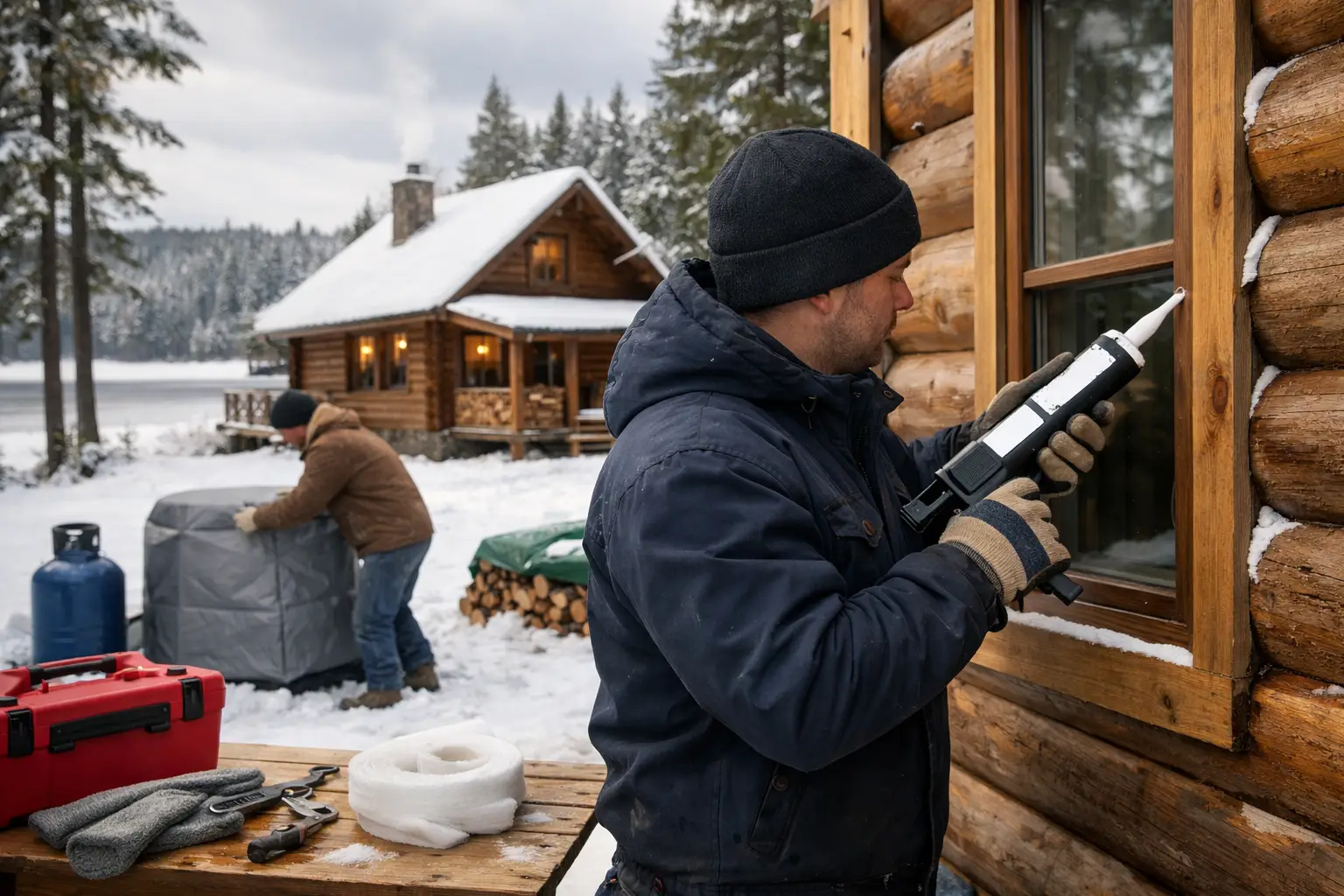
    A cabin can take a hit while you are three states away. A wind-driven rain finds one loose flashing edge. A gutter backs up under a valley full of leaves. A guest notices a ceiling stain on Friday night, and by Monday that small stain can be wet insulation, swollen drywall, and lost booking income. Remote property monitoring gives owners a local set of eyes and a plan for acting before weather and neglect turn a repair into a larger bill.

    For owners in the Red River Gorge area, this is not about checking on a property for the sake of checking on it. It is about protecting a roof, a rental calendar, and an investment that may sit empty for days or weeks at a time. The right monitoring plan is practical: inspect what weather reaches first, document what is found, handle small repairs quickly, and tell the owner exactly what happened.

    What Remote Property Monitoring Actually Covers

    Remote monitoring is not one service and it is not a camera pointed at the driveway. Cameras can show whether a vehicle pulled in. They cannot tell you whether a chimney cricket is holding water, whether the crawlspace smells damp, or whether a downspout is dumping rain against the foundation.

    Good property monitoring combines scheduled visual inspections with fast response when something changes. For a cabin, short-term rental, vacant home, or multi-building property, that usually means checking the roofline, gutters, drainage paths, exterior walls, doors and windows, decks, visible siding, and areas where water commonly gets in. If a problem is found, the owner gets photos and a clear recommendation: monitor it, repair it now, or take temporary action to prevent more damage.

    The frequency depends on the property. A personal weekend cabin with a newer roof may need seasonal checks plus a visit after major storms. A busy vacation rental with guests rotating through every few days may need more frequent exterior checks, especially through leaf season and winter. A property with prior leaks, older flashing, big trees overhead, or poor drainage deserves closer attention.

    Why Cabins Need More Local Oversight

    Mountain properties deal with conditions that do not wait for a convenient time. Heavy rain can fill neglected gutters fast. Wind can lift metal trim or tear a shingle tab loose. Tree limbs scrape roof surfaces and drop debris into valleys. Winter freeze-thaw cycles work on small openings around pipe boots, chimneys, and flashing.

    The trouble is that most damage starts quietly. Roof leaks rarely announce themselves with a hole in the ceiling on day one. Water may travel along decking or framing before it shows inside. By the time a remote owner sees a stain in guest photos or arrives for a weekend visit, the repair may involve more than the original leak source.

    Vacancy creates another risk. A local homeowner may notice an overflowing gutter while taking out the trash. A remote owner may not know until water has repeatedly run behind fascia, soaked soffit material, or washed mulch and soil away from the foundation. The wood the weather gets to first is usually the wood that costs you later.

    That is why the best approach is repair-first maintenance. The goal is not to sell a full roof because one boot cracked or one flashing seam failed. The goal is to find the actual source, stop water from getting farther in, and document the condition so the owner can make a sound decision.

    The Checks That Prevent Expensive Surprises

    A useful monitoring visit follows water, wind, and access points. It should not be a quick drive-by followed by a vague text saying everything looks fine. Owners need specifics, especially when they cannot be there themselves.

    Roofs, Flashing, and Chimneys

    The roof is the first line of defense, but the weak spots are often at transitions. Flashing around chimneys, walls, vent pipes, skylights, and valleys takes more abuse than the broad field of the roof. Metal roofs have their own trouble areas, including exposed fasteners, seams, boots, ridge details, and loose trim.

    A visual check can catch lifted material, missing shingles, backed-out screws, failed sealant, standing debris, and signs that water is moving where it should not. If there has been a storm, the inspection should look for fresh impact marks, fallen limbs, and wind damage that may not be obvious from the ground.

    Gutters and Drainage

    Valleys full of leaves are how cabin roofs die. They trap water, feed gutter clogs, and keep roof edges wet longer than they should be. Once gutters overflow, water can run behind them and begin damaging fascia, soffit, siding, and the ground below.

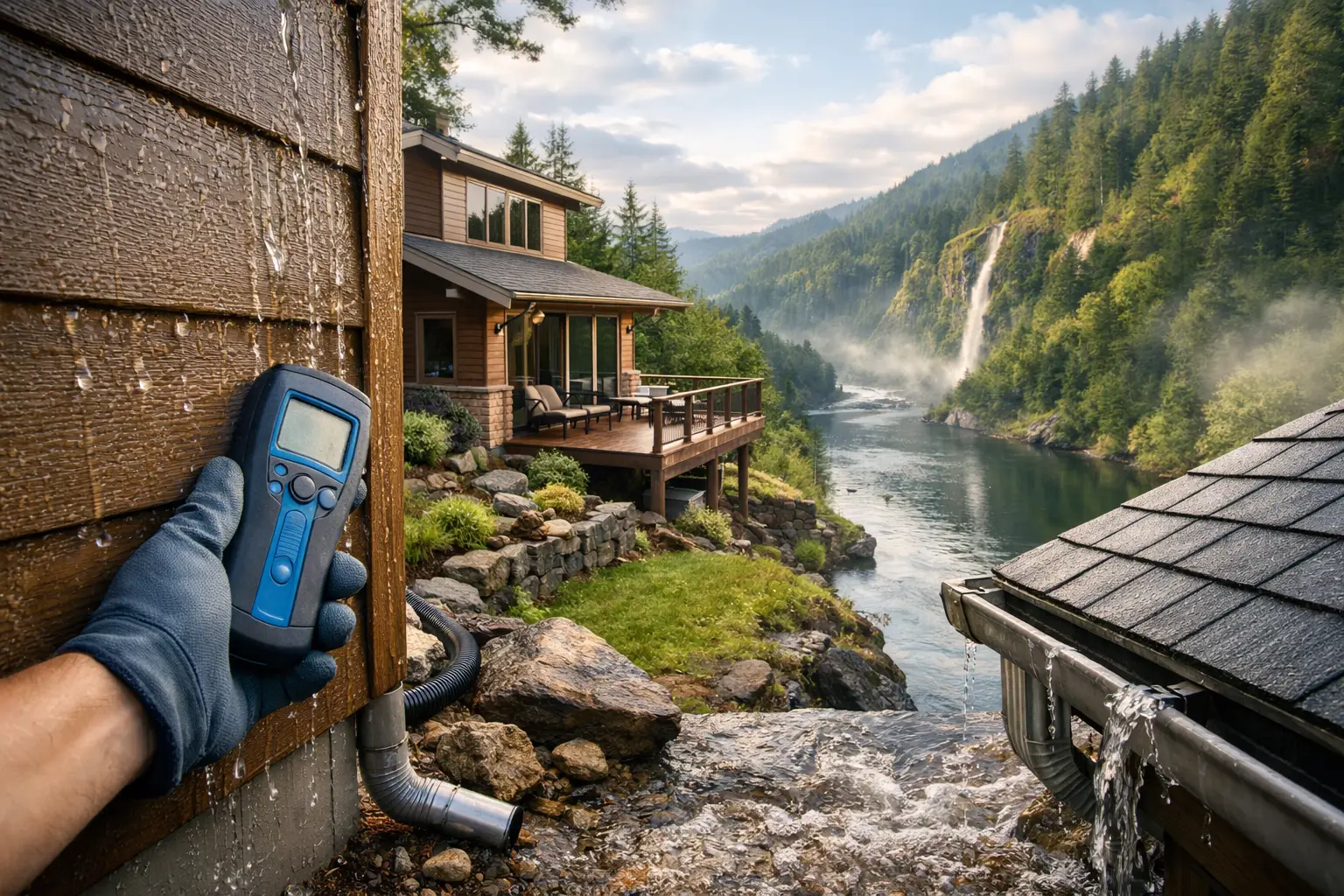
    Monitoring should confirm that gutters are clear, securely attached, and draining away from the structure. Downspouts should not empty right beside the foundation. On sloped Gorge properties, runoff has a way of finding the shortest path downhill. If that path is against the building, under a deck, or toward a crawlspace, it needs attention.

    Exterior Wood, Siding, and Deck Areas

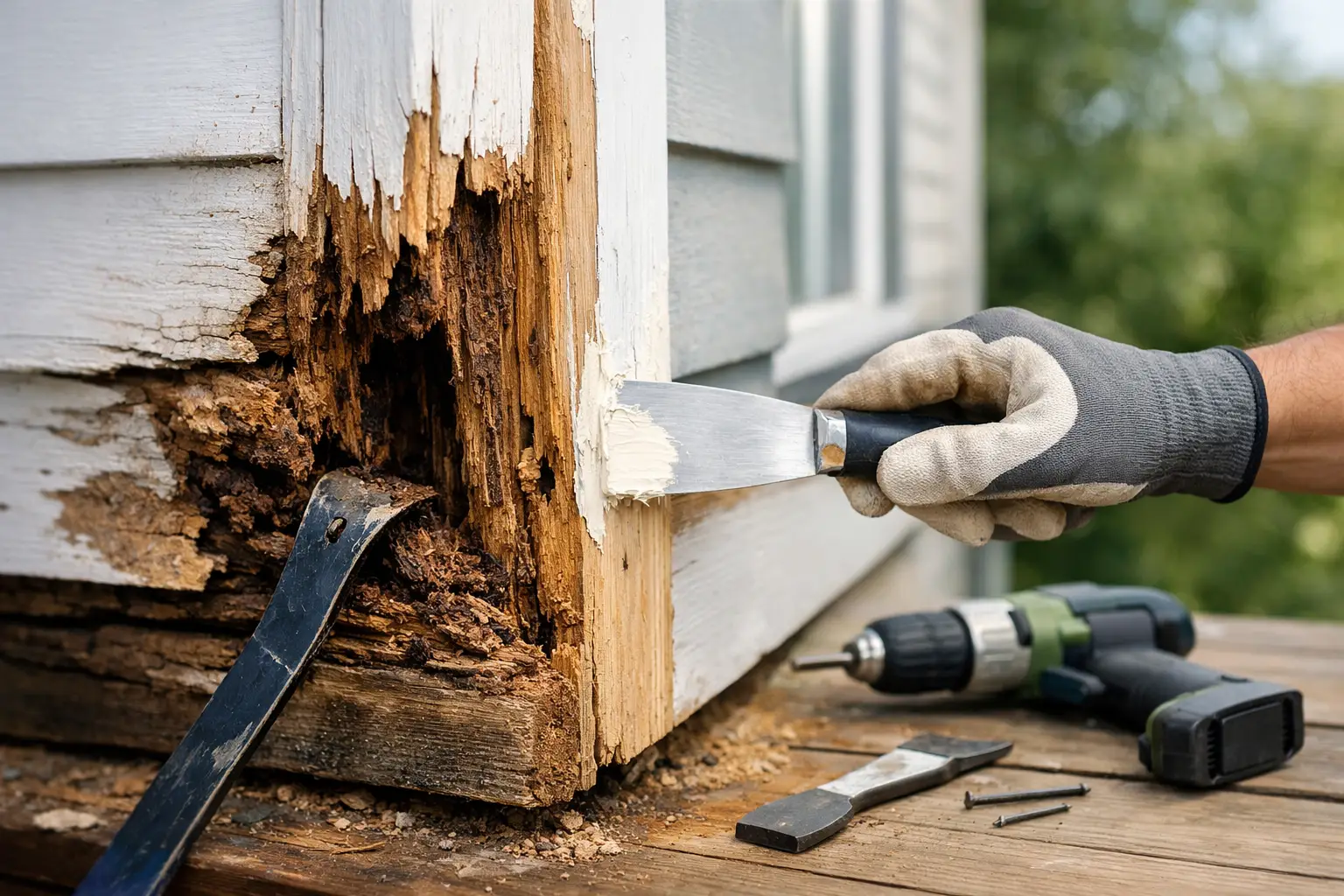
    Cabins often have stained wood, trim, decks, rails, and exposed areas that take repeated sun and rain. Monitoring can identify peeling sealant, soft trim, loose siding, damaged caulk, and early rot before a small patch becomes a carpentry project.

    The same goes for decks and stairs. A loose board or handrail is not only a maintenance issue. At a short-term rental, it can become a guest-safety problem and a booking problem. A documented inspection helps owners prioritize work before a turnover deadline puts them in a bind.

    Signs of Interior Water and Moisture

    Where access is available, a check should include ceilings below roof transitions, attic access points, utility areas, and crawlspace conditions. Musty odor, fresh staining, wet insulation, damp framing, or a running dehumidifier that suddenly cannot keep up can all point to water trouble.

    Not every issue requires emergency work. A light old stain with no active moisture may simply need to be photographed and watched. Active dripping, wet drywall, a ceiling bulge, or water near electrical fixtures is different. That calls for prompt action to limit damage and make the property safe.

    What Happens After a Storm or Guest Call

    A strong remote monitoring plan matters most when something goes wrong. If a guest reports a leak or a neighbor sees a limb on the roof, the first priority is getting a local person there to assess the situation. Photos should show the source area when possible, the visible damage, and the temporary steps taken.

    For active leaks, that might mean an emergency tarp, clearing a blocked drainage path, securing loose material, or drying out a vulnerable area until permanent repairs can be completed. Temporary protection is not the same as a finished repair, but it can save a ceiling, floor, or wall while weather is still moving through.

    Owners should expect plain communication. What was found? Is the property protected right now? What repair is recommended? Can it wait, or will waiting increase the cost? Photo documentation matters because it replaces guesswork with evidence. You should not have to take someone’s word for what was done at a property you cannot see.

    Build a Monitoring Schedule Around Your Property

    There is no one-size-fits-all schedule. A newer home on an open lot does not need the same attention as a wooded rental cabin with steep roof sections and constant guest turnover. Start with a seasonal visit before heavy rain and leaf drop, another after winter, and inspections after major wind or hail events.

    Then adjust based on what the property tells you. If gutters fill quickly, schedule cleaning more often. If a chimney has a history of leaking, inspect it before storm season. If water is collecting around the foundation, address the drainage instead of repeatedly patching symptoms. If a roof repair is completed, keep the before-and-after photos in the property file so future inspections have a real baseline.

    For rental owners, include a simple reporting path for cleaners, guests, and neighbors. They do not need to diagnose a roof. They only need to report what they see: a stain, drip, soft spot, loose gutter, fallen limb, odd odor, or standing water. Fast reporting turns a possible emergency into a manageable repair.

    Choose Oversight That Is Local and Documented

    Remote ownership works best when the person checking your place understands the conditions around it. A contractor who knows the roads, weather patterns, cabins, metal roofs, and drainage challenges in the Gorge can respond with more than a generic inspection checklist.

    Central Property Services approaches monitoring the same way it approaches repairs: find the problem, protect the property, and show the owner the work. Sometimes the answer is a small repair. Sometimes it is gutter cleaning, drainage work, a siding patch, or winterization. And if nothing needs work, you should be told that plainly.

    Your property does not need constant worry. It needs a local plan, honest eyes on the trouble spots, and quick action when the weather finds a weakness.
  • What Causes Ceiling Stains? Find the Source

    What Causes Ceiling Stains? Find the Source

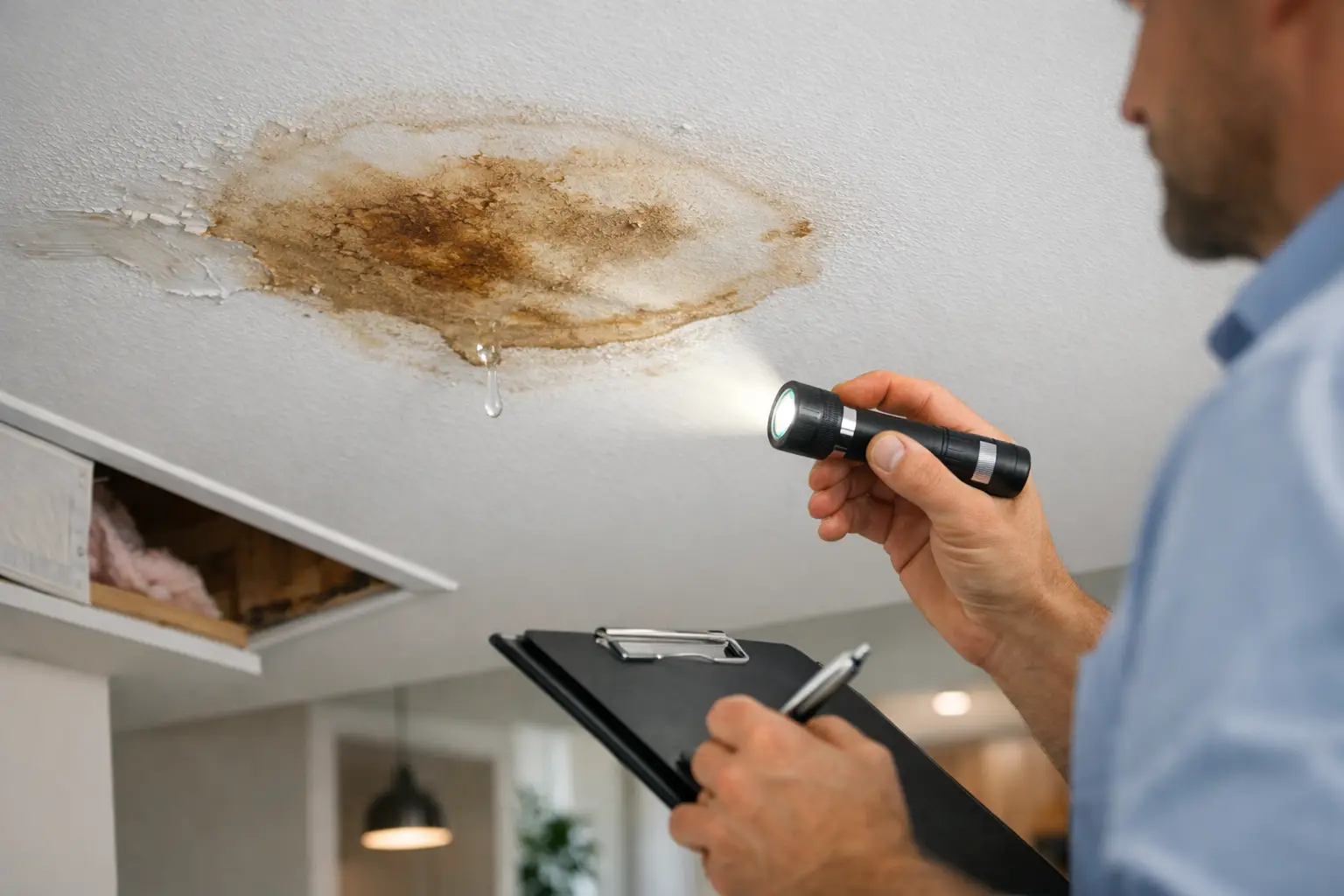
    A brown ring over the living room, a yellow patch near a chimney, or paint that suddenly looks damp is not a cosmetic problem first. It is a clue. If you are asking what causes ceiling stains, the answer is usually water, but the place where that water entered may be several feet away from the stain itself.

    That matters in the Red River Gorge region, where hard rain, wind-driven storms, wet leaves, shaded roofs, steep cabin rooflines, and long stretches between property visits can turn a small opening into a bigger repair. A ceiling stain does not automatically mean you need a new roof. It does mean the source needs to be found before the next storm gives it more time to work.

    The most common cause is a roof leak

    A roof leak is the first suspect when a stain appears after rain, snow, or a windy storm. Water can get past damaged shingles, loose metal roofing screws, cracked pipe boots, worn sealant, or lifted flashing. Once it gets under the roof covering, it follows framing, insulation, wiring, and drywall until it finds a place to show itself.

    That is why the stain is often misleading. A leak entering near a ridge, valley, vent pipe, or chimney may show up ten feet away in the ceiling below. Water does not travel in a straight line just because the stain does.

    On cabins and homes around Beattyville, Slade, Stanton, Campton, and the surrounding hills, roof valleys deserve special attention. Valleys full of leaves are how cabin roofs die. Debris holds moisture against the roof, slows drainage, and can force water under roofing materials during a hard downpour. A roof that looks fine from the driveway can still have a backed-up valley or failed flashing doing damage out of sight.

    Flashing and roof penetrations are frequent trouble spots

    The areas where a roof changes shape are often more vulnerable than the broad open sections. Chimneys, skylights, plumbing vents, exhaust vents, dormers, and wall-to-roof connections all rely on flashing and sealants to shed water properly.

    A missing shingle can be obvious. Failed flashing is often not. It may leak only during wind-driven rain from one direction, which leads owners to think the problem has gone away between storms. It has not. It is simply waiting for the right weather.

    Metal roofs have their own leak points. Loose or backed-out fasteners, deteriorated washers, open laps, failed ridge details, and penetrations that were sealed poorly can all let in water. Metal roofing can last a long time, but it still needs a close look when stains appear indoors.

    What causes ceiling stains besides roof leaks?

    Not every ceiling stain starts at the roof. The timing, location, and condition of the stain help narrow down the source.

    Plumbing leaks often stain bathrooms and kitchens

    If a stain is directly below an upstairs bathroom, laundry room, kitchen, or water line, plumbing is a strong possibility. A slow drain leak, loose toilet seal, failed supply line, sweating pipe, or shower pan issue can drip for weeks before the ceiling drywall gives it away.

    These stains may get larger after showers, laundry cycles, or heavy water use instead of after rainfall. If the drywall feels soft, bulges, or drips, shut off water to the affected fixture if you can do so safely and get help quickly. A wet ceiling can collapse without much warning.

    Condensation can create stains and mildew

    Warm indoor air meeting a cold surface can cause condensation in attics, around bathroom fans, near ductwork, and on poorly insulated ceiling areas. This is especially common in cabins that sit vacant, homes with high indoor humidity, or properties where bath fans vent into the attic instead of outside.

    Condensation stains are often accompanied by mildew spotting, a musty smell, or damp insulation. The fix may involve ventilation, insulation, a properly vented fan, or air-sealing work rather than roof repair. This is one reason a straight diagnosis matters. Replacing roof material will not solve moisture created inside the building.

    Ice dams and snow melt can cause seasonal staining

    During winter, heat escaping into an attic can melt snow higher up on the roof. That water runs down to colder roof edges and refreezes. When the ice blocks drainage, meltwater can back up beneath shingles and enter the structure.

    This is more likely where attic insulation or ventilation is uneven. The stain may appear after a freeze-thaw cycle even if the roof does not leak during ordinary rain. It is a roof-and-attic system problem, not always a simple shingle problem.

    HVAC and appliance problems can be the culprit

    Air-conditioning condensate lines, attic HVAC equipment, refrigerator water lines, and water heaters can all create ceiling stains. A clogged AC drain line can send water into a ceiling fast during hot weather. If the stain is near an air handler or appears while the AC is running, do not overlook this possibility.

    Read the stain, but do not trust it too much

    The color and pattern can offer clues. Brown or yellow rings often come from water carrying tannins, rust, dirt, or old wood stains through drywall. A stain with several expanding rings may point to an intermittent leak. Dark speckling can indicate mildew from repeated moisture.

    A stain that is dry today is not proof that the issue is resolved. Many roof leaks only show up under certain conditions: a heavy rain, wind from the west, melting snow, or a gutter overflow. A cabin owner may visit on a clear weekend and see only an old-looking mark while the roof leak continues every time a storm rolls through.

    Location helps too. A stain around a chimney, exterior wall, skylight, or roof valley points the investigation one way. A stain under a bathroom or HVAC unit points another. But water travels, and guessing from the ceiling alone can waste money.

    What to do when you notice a ceiling stain

    Start by taking clear photos of the stain and noting when you first noticed it. If it is raining, check whether the spot grows, feels damp, or begins to drip. For remote cabin and rental owners, ask a guest, cleaner, or local contact for photos from directly below and a wider shot showing the room location.

    If there is active dripping, place a container underneath and move furniture, electronics, bedding, and valuables out of the area. If the ceiling is sagging or ballooning, keep people out from under it. Do not poke a bulging ceiling unless you understand the risks and have taken proper safety precautions. The weight of trapped water can bring down a large section of drywall.

    Then get the exterior and attic checked, if access is safe. A proper inspection looks at the roof covering, valleys, gutters, flashing, vents, chimney connections, attic insulation, visible plumbing, and signs of water travel on framing. The goal is not to sell the biggest job. The goal is to identify the first place water got in.

    For a rental or short-term rental, speed matters beyond the repair itself. A small stain can become a guest complaint, a canceled booking, mold concern, or damaged furnishings if it is left until the next turnover. Before-and-after photos give remote owners a clear record of what was found and what was repaired.

    Why fast repair protects more than the ceiling

    Drywall is often the first visible casualty, not the most expensive one. Water that keeps entering can wet insulation, rot roof decking, damage framing, corrode electrical components, feed mold growth, and work its way down walls. The wood the weather gets to first is usually the wood that costs the least to save early.

    There is also a trade-off in waiting for “one more storm” to confirm the problem. Sometimes a stain comes from one isolated overflow or plumbing accident. But if the cause is an active roof or flashing leak, every storm can enlarge the hidden damage. A focused repair and dry-in now may prevent a deck replacement, interior rebuild, or full roofing project later.

    Central Property Services approaches these calls repair-first: inspect the likely source, document what is found, and recommend the work the property actually needs. If the roof is not the cause, that should be said plainly too.

    A ceiling stain is your property telling you water has gotten where it does not belong. Take a photo, protect the room below, and have the source checked before a small mark becomes a bigger opening in your home, cabin, or rental budget.

  • 10 Signs of Hidden Roof Damage to Watch For

    10 Signs of Hidden Roof Damage to Watch For

    A roof does not have to be missing shingles to be in trouble. Around the Red River Gorge, a hard wind, a driving rain, or a valley packed with wet leaves can start damage that stays out of sight for months. Knowing the signs of hidden roof damage gives you a chance to fix the source before water reaches framing, insulation, drywall, furnishings, or a booked cabin weekend.

    The frustrating part is that the spot where water shows up indoors is rarely the spot where it got in. Water follows roof decking, rafters, insulation, pipes, and wall framing. A brown ceiling ring may trace back to a lifted shingle, failed chimney flashing, a rusty screw on a metal roof, or a clogged gutter holding water where it does not belong.

    1. Ceiling Stains That Grow After Rain

    A yellow, brown, or gray stain on a ceiling is one of the clearest warnings, even when it feels dry to the touch. Watch it after a steady rain. If the stain darkens, spreads, or develops a soft edge, moisture is still getting in.

    Do not paint over it and call it handled. Paint can hide the evidence while wet insulation and roof decking keep deteriorating above it. The repair may still be small, but only if the leak source is found before the wood stays wet long enough to rot.

    On vaulted cabin ceilings, stains can be especially misleading because there may be little attic space to inspect. That calls for a careful exterior inspection of penetrations, valleys, ridge details, and transitions where the roof meets a wall or chimney.

    2. A Musty Smell in the Attic or Upper Rooms

    You may smell a roof problem before you see one. A musty odor in an attic, upstairs closet, loft, or closed-up cabin often means moisture has been hanging around. It does not automatically mean there is an active roof leak. Poor ventilation, plumbing condensation, and crawlspace moisture can create similar odors.

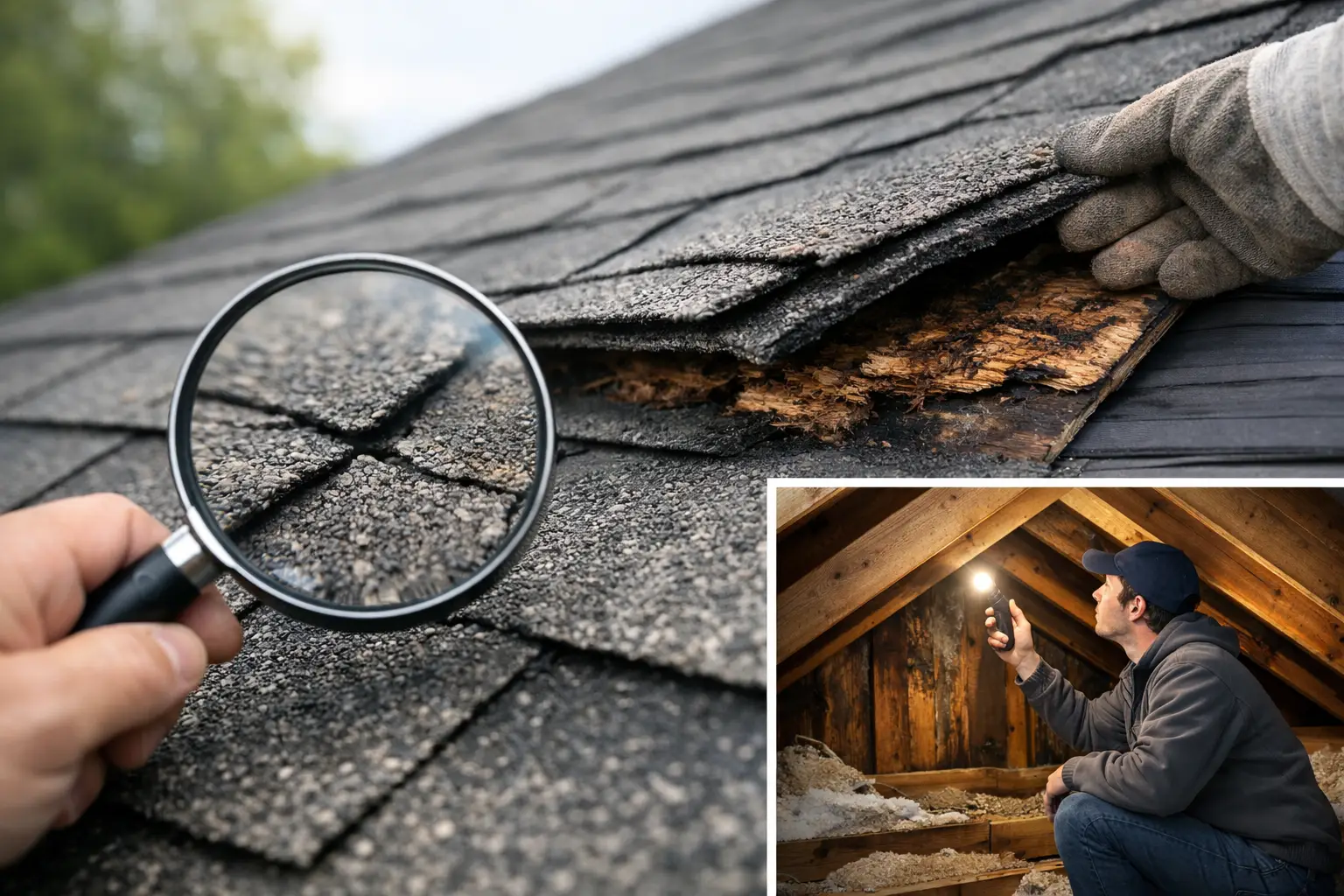
    Still, the attic tells the truth when someone knows what to look for. Darkened roof decking, damp insulation, rusty nail tips, mildew, and water tracks on rafters all point to ongoing moisture. If the smell is stronger after rain or after a humid stretch, do not wait for a visible drip.

    For remote owners, this is one reason a cleaning crew or guest report matters. A new odor in a cabin between turnovers deserves a look before the next reservation arrives.

    3. Shingle Granules in Gutters or at Downspouts

    A small amount of gritty material in a gutter is normal as an asphalt roof ages. A heavy buildup that looks like coarse black sand is different. Those granules protect shingles from sun and weather, and losing them faster than expected can leave the roof more vulnerable.

    Granule loss alone does not always mean replacement. Sometimes damage is limited to one slope after wind, tree contact, or a bad runoff pattern. The question is whether shingles are also curling, cracking, thinning, blistering, or losing their seal.

    Check the ground below downspouts after a heavy rain and look inside gutters during routine cleaning. Gutters full of shingle grit, leaves, and standing water are not just a gutter problem. They can be a clue that the roof is aging unevenly or shedding water poorly.

    4. Raised, Missing, or Damaged Shingles

    Wind damage can be quiet. A shingle does not need to blow into the yard to fail. It may lift just enough to break its seal, crease near the nail line, or expose the edge beneath it. From the ground, the roof can still look mostly normal.

    Pay attention to uneven shingle lines, corners that look lifted, tabs that appear darker than surrounding shingles, and bare spots after a storm. These conditions let wind-driven rain get beneath the surface, where it can soak underlayment and decking.

    Never climb a steep or wet roof to check it yourself. Binoculars from the ground can help spot obvious problems, but a close inspection is the safer way to determine whether a repair is needed.

    5. Rusted Fasteners or Loose Panels on a Metal Roof

    Metal roofs can last a long time, but they are not maintenance-free. A leak often starts at a fastener, flashing joint, panel overlap, or sealant failure rather than through the middle of a panel. Temperature swings expand and contract the metal, which can loosen screws and wear out washers over time.

    Look for rust streaks below screws, fasteners sitting proud of the panel, separated seams, damaged pipe boots, or sealant that has cracked and pulled away. A small opening at one screw can drip into insulation for a long time before anyone sees a ceiling stain.

    This is where repair-first work saves money. Replacing failed screws, resealing the right transitions, and correcting a localized flashing issue can be the right fix. A whole new roof is not the automatic answer.

    6. Flashing Problems Around Chimneys, Pipes, and Walls

    The roof is most likely to leak where materials change direction. Chimneys, plumbing vents, skylights, dormers, wall transitions, and valleys all need flashing to direct water safely away. When flashing lifts, rusts, cracks, or separates from masonry, rain finds the opening.

    Chimney leaks are common because chimney masonry and roofing materials move differently through changing temperatures. Loose counterflashing, cracked mortar, and old sealant can all create a path for water. The stain may appear several feet away from the chimney because water travels along the roof structure first.

    A repair should address the actual flashing detail, not just add a bead of caulk where water is visible. Caulk has a place, but it is not a substitute for correctly layered metal and roofing materials.

    7. Sagging Gutters, Overflow, or Rot at the Eaves

    Gutters are supposed to move water away from the roof edge and foundation. When they sag, overflow, pull loose, or stay packed with debris, water can back up against fascia boards and roof edges. That is the wood the weather gets to first.

    Valleys full of leaves are how cabin roofs die. The debris traps moisture, slows runoff, and can force water under shingles or into low-slope transitions. Add a frozen winter cycle, and a simple cleanup issue can become rotten decking or damaged fascia.

    Look for peeling paint at the eaves, dark wood, soft spots behind gutters, drips from gutter seams, or water pouring over the front during rain. The fix may involve gutter cleaning, re-pitching, repair, or drainage correction alongside roof work. It depends on why water is collecting there.

    8. Soft Decking, Spongy Areas, or a Visible Roof Dip

    A roof plane should look reasonably straight from the ground. A dip, wave, or sag can signal wet or weakened decking, undersized framing, long-term water intrusion, or the weight of debris and snow over time. This is not a symptom to ignore.

    Inside, you may notice a ceiling that bows slightly or feels soft when gently pressed. Outside, shingles may look sunken in one area. Do not walk on a suspected soft section. It can be unsafe, and foot traffic can turn a localized repair into a larger opening.

    Not every dip means the roof is about to fail, especially on older homes and cabins with framing that has settled. But a new change, or one that worsens after storms, needs prompt evaluation.

    9. Higher Energy Bills and Uneven Room Temperatures

    A roof leak can damage insulation long before it leaves a mark on drywall. Wet insulation loses effectiveness, and air gaps around failed roof penetrations can make upper rooms harder to heat or cool. If one bedroom, loft, or top-floor office suddenly feels different from the rest of the building, the roof assembly is worth checking.

    Energy changes have other causes too, including HVAC problems, aging windows, and poor attic ventilation. That is why diagnosis matters. The goal is not to blame the roof for every draft. The goal is to find the actual source before paying for the wrong repair.

    10. Interior Damage That Returns After You Fix It

    Recurring peeling paint, bubbling drywall, cracked trim, or stains around a window can mean water is still entering from above or from an exterior wall detail. If the same repair keeps failing, the visible surface is probably not the real problem.

    This comes up often in rentals and short-term stays. A cleaner notices a wet corner, someone patches the drywall, and the cabin looks fine for a while. Then the next hard rain brings it back. A proper inspection follows the water path and checks the roof, flashing, gutters, siding transitions, and drainage conditions instead of treating the wall as the whole issue.

    What to Do When You Spot a Warning Sign

    Take clear photos from a safe position, note when you first saw the issue, and pay attention to whether it changes after rain or wind. Move belongings away from active drips and place a container below them if needed. If water is near electrical fixtures, do not handle the fixture or try to open the ceiling yourself.

    For storm damage or an active leak, fast temporary protection can prevent a manageable repair from becoming an interior rebuild. A tarp may be necessary, but it is a stopgap, not a diagnosis. The next step is locating the failed material or drainage issue and documenting what was repaired.

    Central Property Services provides before-and-after photos because owners should not have to guess what happened on a roof they cannot safely see, especially when their cabin is hours away. A straight answer and proof of the work matter just as much as the repair itself.

    A small stain, a musty loft, or a gutter that overflows may not look urgent on a dry afternoon. After the next storm, it may be the opening water needed. Catch it while the repair is still a repair.

  • Water Damage Prevention for Gorge Properties

    Water Damage Prevention for Gorge Properties

    A ceiling stain rarely starts at the ceiling. It starts with a lifted shingle, a flashing gap, a gutter packed with leaves, or water sitting where it has no business sitting. Water damage prevention is about catching those small failures before they reach insulation, framing, drywall, flooring, and the parts of a property that cost real money to rebuild.

    That matters everywhere, but especially around the Red River Gorge. Our properties deal with hard rain, wind-driven storms, heavy leaf fall, freeze-thaw cycles, shaded roofs, steep terrain, and cabins that may sit empty for days or weeks. A minor leak at a full-time home is bad enough. At a remote rental cabin, it can run for days between guest turnovers and turn into stained ceilings, wet flooring, mold concerns, canceled bookings, and damaged guest confidence.

    Water Damage Prevention Starts Above the Ceiling

    The roof is the first place to look, but not every roof problem means the whole roof is finished. A repair-first inspection should identify where water is getting in and why. Often, the answer is specific: cracked pipe boot, loose chimney flashing, exposed fastener on a metal roof, failed seal at a vent, damaged valley, or shingles lifted by wind.

    Roof valleys deserve extra attention in this region. They collect runoff from multiple roof planes, so even a small buildup of leaves and sticks can hold water in place. Valleys full of leaves are how cabin roofs die. The debris stays wet, breaks down shingles or metal coatings, and pushes water sideways beneath materials that were designed to shed it downhill.

    Look over the roof after major storms and at least twice a year. You do not need to climb on it. From the ground, watch for missing shingles, bent metal, sagging gutter sections, branches rubbing the roof, dark streaks below penetrations, or piles of debris in valleys. Inside, check attic areas and upper ceilings for new staining, damp insulation, rusty nail points, or a musty smell.

    If you find a concern, act while it is still a repair. Waiting for a leak to become obvious usually means water has already traveled beyond the entry point. The visible stain may be ten feet from the actual roof failure.

    Flashing Is Small, but It Does Big Work

    Flashing is the metal or membrane detail that protects transitions: around chimneys, skylights, vents, walls, dormers, and roof valleys. These are the places where a roof changes direction, and water looks for every shortcut it can find.

    Chimneys are a frequent trouble spot. Mortar can crack, counterflashing can pull loose, and the roof-to-chimney connection can fail long before the surrounding shingles look worn out. The wood the weather gets to first is often behind siding, trim, or flashing where nobody sees it until it is soft.

    A good repair addresses the detail itself, not just the symptom. Smearing sealant over a failing flashing system may slow a drip temporarily, but it is not always a lasting fix. Sometimes the right answer is a targeted flashing rebuild. Sometimes a small opening needs sealing. The condition of the materials decides it.

    Keep Water Moving Away From the Building

    A sound roof cannot do its job alone. Gutters, downspouts, grading, and drainage all determine where rainwater goes after it leaves the roof.

    Clogged gutters are one of the most preventable causes of water damage. When water spills over a blocked gutter, it saturates fascia boards, runs down siding, pools by the foundation, and can find its way into crawlspaces and basements. In wooded areas, one cleanout in spring is rarely enough. Fall leaf drop can fill a gutter fast, especially on cabins surrounded by trees.

    Downspouts need to discharge away from the foundation, not into a mulch bed that holds water against the house. Extensions are simple, inexpensive protection when used correctly. The ground should slope away from the building where possible, though steep or rocky lots often need a more tailored drainage plan. French drains, swales, catch basins, or redirected runoff may make sense depending on the property.

    Pay attention to these warning signs: muddy splashback on siding, erosion below downspouts, wet crawlspace insulation, standing water after rain, peeling paint near trim, or soil that stays soaked against the foundation. These are not cosmetic issues. They are early evidence that water is repeatedly hitting the wrong place.

    Protect Vulnerable Siding, Trim, and Deck Connections

    Water often enters through the walls after a roofing or gutter problem starts above. Wood trim around windows, doors, decks, and roof edges takes a beating in Kentucky weather. Once paint fails or caulk pulls away, water works behind the surface and begins softening the material from the inside.

    Walk the exterior of your property after a hard rain. Look for drips coming from behind gutters, water tracking down corners, staining below windows, loose siding, or swollen trim. Press carefully on suspicious wood with a screwdriver or fingertip. If it feels soft, flakes apart, or gives under light pressure, the damage may be deeper than the surface.

    Deck ledger boards and railing connections need particular care. These points are attached to the structure, and poor flashing or rot can allow water into the wall system. A cabin deck may look fine from a distance while its connection to the building has been taking on water for years.

    Small siding patches, trim repair, caulking, and rot replacement are not glamorous work. They are still some of the best property-protection work an owner can authorize. Replacing one damaged board before it spreads into framing is a much better day than opening an entire wall.

    Winterize Before Freezing Weather Finds the Weak Spots

    Water damage prevention changes with the season. Before winter, clear gutters, inspect roof penetrations, repair loose siding, and make sure exterior hose connections are shut down properly. Frozen water lines are especially hard on vacant cabins, rental properties between stays, and older homes with exposed plumbing.

    If a property will be vacant, keep enough heat on to protect plumbing unless it has been properly winterized. Open cabinet doors near plumbing on cold nights, insulate vulnerable pipes, and know where the main water shutoff is. Remote owners should also make sure a trusted local contact can access the property quickly if a freeze, storm, or alarm issue occurs.

    For cabins and short-term rentals, a basic check after severe weather is part of protecting revenue. Look for a fallen limb, damaged roof material, a branch blocking a gutter, wet spots near exterior doors, and water around utility areas. A fast inspection can prevent a guest from discovering the problem first.

    Build a Simple Inspection Routine

    The best maintenance plans are realistic enough to follow. Put a roofline and drainage check on the calendar in spring and fall, then add checks after major wind or heavy-rain events. For rental and commercial properties, pair those checks with regular turnover or site visits.

    Your routine should cover the roof surface and flashings, gutters and downspouts, attic and ceiling stains, exterior trim and siding, crawlspace or basement moisture, and drainage around the foundation. Take photos as you go. A picture from the same corner of the building each season makes changes easier to spot.

    Remote owners benefit from visual documentation even more. Before-and-after photos turn a vague message like the gutter was cleaned into clear proof of what was found and corrected. That is useful when deciding whether a repair can wait, needs prompt attention, or calls for an emergency tarp to stop active water intrusion.

    Do Not Wait for the Ceiling to Fall In

    Some water events need immediate action: an active roof leak, a tree strike, wind-torn roofing, water pouring behind siding, a burst pipe, or a sagging ceiling. Move valuables away from the area, contain what water you can safely contain, and get help quickly. Do not climb onto a wet or storm-damaged roof. A same-day tarp or dry-in can protect the building while a proper repair is planned.

    Central Property Services approaches these calls with a straight answer. If a targeted repair will solve the problem, that is the work worth doing. If the damage is broader, clear photos and an honest assessment give owners a better basis for the next decision.

    The practical goal is not a property that never sees rain. It is a property where water sheds off the roof, moves through clean gutters, drains away from the foundation, and gets stopped quickly when something fails. Keep an eye on the small weak spots. That is where expensive water damage usually begins.

  • How to Prepare Cabins for Storms in Kentucky

    How to Prepare Cabins for Storms in Kentucky

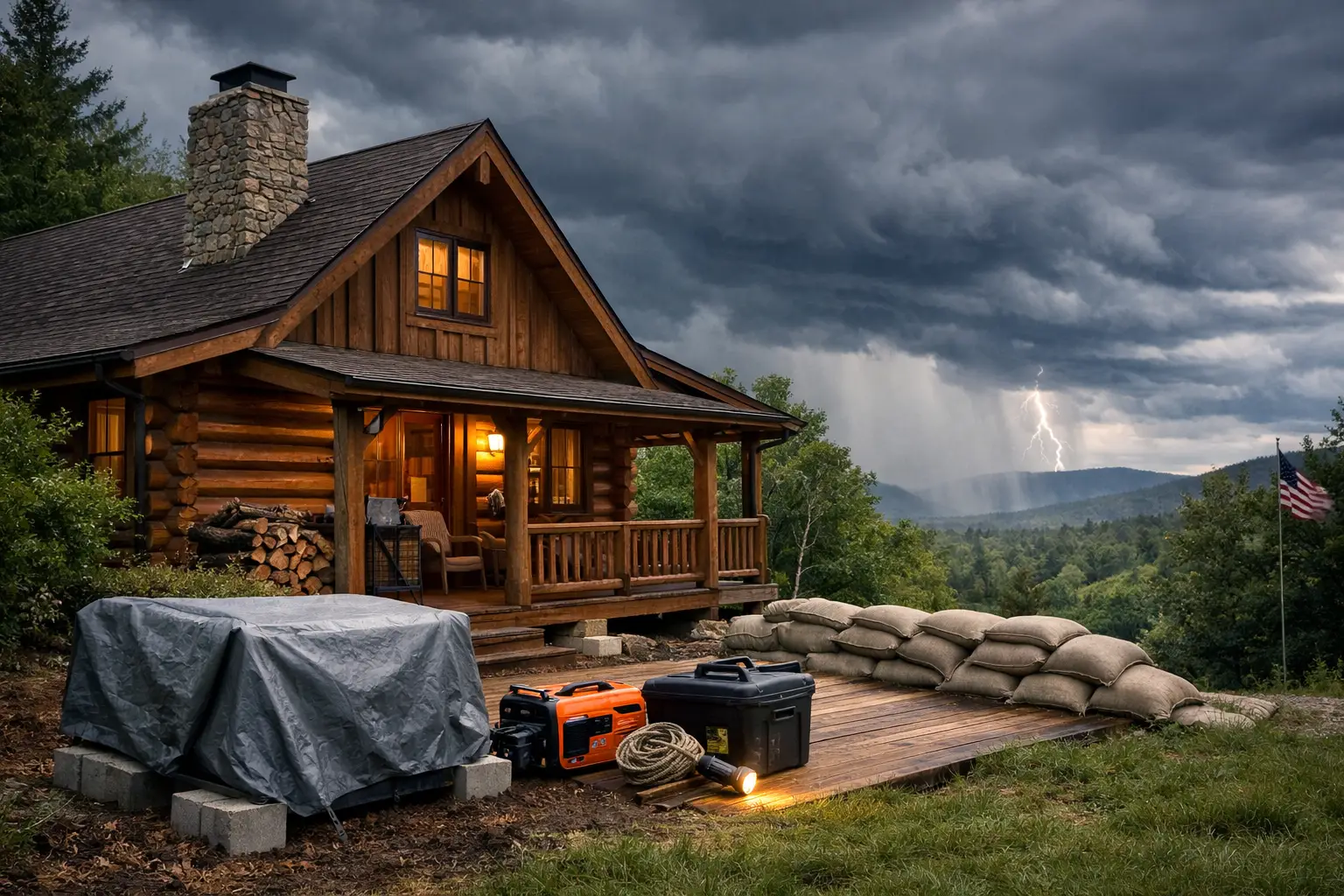
    A hard rain can find one loose flashing edge that looked harmless last week. Add wind, wet leaves, and a steep Gorge hillside, and that small opening becomes a ceiling stain, wet insulation, swollen trim, or a canceled guest stay. To prepare cabins for storms, start before the forecast turns ugly – when there is still time to inspect, clean, repair, and document what is going on overhead.

    For cabin owners in the Red River Gorge, storm preparation is not about making a property look tidy. It is about keeping water outside, keeping access open, and catching the wood the weather gets to first. This matters even more when you live hours away and cannot run over after every downpour.

    Prepare Cabins for Storms From the Roof Down

    The roof is where most expensive storm problems begin. Wind-driven rain does not need a large hole. It can work under a lifted shingle, through a nail pop, behind a loose ridge cap, or around a pipe boot that has started to crack. On metal roofs, trouble often shows up at loose fasteners, failed sealant, open laps, and flashing transitions.

    Do not wait for a visible interior leak to look up. By the time water reaches the ceiling, it may have traveled across roof decking, insulation, framing, or a wall cavity. A repair-first inspection looks for the actual entry point instead of treating the stain as the whole story.

    Before storm season, check roof valleys, penetrations, chimney flashing, skylights, ridge lines, and areas where one roof plane meets another. Valleys full of leaves are how cabin roofs die. That packed debris holds moisture against the roof surface and sends rain sideways when water has nowhere else to go.

    If you have a cabin roof that is hard to access, do not climb it in wet conditions or after a storm. Use binoculars from the ground for a basic visual check, then have a local pro inspect suspicious areas. Steep cabins, slick metal, and wooded lots are a bad place for guesswork.

    Pay special attention to chimneys and flashing

    Chimneys are a common weak point because several materials meet in one spot: roofing, masonry, flashing, sealant, and sometimes siding. Watch for cracked mortar, bent metal flashing, missing counterflashing, rust, or staining on the ceiling near the chimney chase.

    Caulk alone is not a lasting answer when flashing has come loose or was installed wrong. A small, correctly targeted flashing repair can prevent the kind of water damage that leads people to assume they need a full roof replacement.

    Keep Gutters and Drainage Working

    A roof can shed water perfectly and still create damage if the gutters are clogged or the ground drainage is poor. When gutters overflow, water runs behind fascia boards, down exterior walls, and into the soil next to the foundation. That is how a $150 cleaning turns into rot repair, siding work, or a damp crawl space.

    Clean gutters before the heavy spring rains and again after the main fall leaf drop. In heavily wooded parts of Lee, Powell, Wolfe, and surrounding counties, one cleaning a year is often not enough. Pine needles, oak leaves, twigs, and roof grit build up faster than most owners expect.

    Make sure downspouts are attached, clear, and sending water away from the cabin. If a downspout dumps at the corner of the foundation, extend it. If the ground slopes toward the building, address that drainage path before repeated storms turn it into a moisture problem under the cabin.

    Look at the fascia while the gutters are being cleaned. Soft spots, peeling paint, dark wood, and sagging sections are warning signs. Gutters do not just carry water. They reveal where water has been getting behind the system for a while.

    Secure the Outside Before Wind Arrives

    Wind damage is not limited to shingles. It can tear loose siding, bend fascia, pull screens free, knock branches onto roofs, and turn unsecured furniture into a window hazard. Walk the property with wind in mind, especially if the cabin sits on an exposed ridge or at the edge of a tree line.

    Trim dead limbs and branches hanging over the roof, driveway, power service, and deck. Healthy mature trees are valuable, but limbs rubbing on metal roofing or scraping shingles through every storm need attention. Do not assume a branch is safe just because it has been there for years.

    Secure deck furniture, grills, trash cans, firewood racks, and outdoor décor. Check that shutters, porch screens, skirting, and exterior light fixtures are firmly attached. A loose section of vinyl siding may seem cosmetic until wind gets behind it and tears off a larger section.

    If your cabin has a gravel drive, make sure culverts and roadside ditches are open. A washed-out drive can keep guests, cleaners, repair crews, or emergency responders from reaching the property. For short-term rental owners, access is part of storm readiness.

    Protect the Cabin Interior When You Are Away

    Remote owners need a plan that works without them standing in the driveway. Start with smart shutoffs: know where the main water valve, electrical panel, propane shutoff, and well controls are located. Label them clearly for cleaners, co-hosts, caretakers, or family members who may need to act fast.

    If the cabin will be vacant during a stormy season, move valuables away from windows and off the floor in known leak-prone areas. Keep a few clean buckets, towels, plastic sheeting, and a flashlight in an easy-to-find spot. Those simple supplies will not repair a roof, but they can limit damage while help is on the way.

    A moisture alert, leak sensor, or temperature monitor can be useful, particularly in a rental cabin that sits empty between bookings. Technology is helpful, but it does not replace regular physical checks. Batteries die, Wi-Fi drops, and an alert cannot tell you whether a branch is resting on the ridge cap.

    Take current photos of key areas before storm season: ceilings, exterior walls, rooflines visible from the ground, decks, gutters, and mechanical equipment. These photos give you a baseline if you later need to identify new damage. They also help a local repair crew understand what changed.

    Have a Storm Response Plan Before You Need One

    After a storm, the first job is not making a permanent repair. It is stopping additional water from getting in safely. That may mean an emergency tarp, a temporary dry-in, clearing a blocked drainage point, or securing loose siding. Permanent repair comes after the area is dry enough to inspect properly and the true damage is visible.

    For rental owners, decide ahead of time who can authorize emergency work if you are unreachable. Give that person the property address, gate code, parking instructions, emergency contacts, and any notes about difficult access. A crew losing 30 minutes trying to find a cabin in the dark is not good for your roof or your guests.

    Keep a simple written record of past repairs, roof age if known, and recurring trouble spots. If a ceiling stain comes back in the same place, that history matters. It may point to a failed previous patch, a hidden flashing issue, or water entering farther uphill than expected.

    Central Property Services provides before-and-after photos on jobs because remote owners should not have to wonder what was found or what was fixed. Documentation helps you make better property decisions, whether the answer is a small repair, ongoing maintenance, or a larger project that truly cannot wait.

    Know When a Small Problem Needs Fast Action

    Some damage can wait for a scheduled visit. Other problems need attention now. Call for help promptly if you see active dripping, a sagging ceiling, a tree limb on the roof, missing roof material, exposed underlayment, loose metal panels, water running behind gutters, or a new stain spreading after rain.

    Be careful with the word “minor.” A small leak over a guest bedroom is not minor if another storm is coming Friday. A loose gutter is not minor if it is dumping water against a foundation. The right repair depends on the material, the location, the weather window, and how long water has been moving through the area.

    The best storm preparation is usually not dramatic. It is clean valleys, open gutters, sound flashing, trimmed limbs, working drainage, and somebody local who can look at the property when you cannot. Handle those basics while the weather is calm, and your cabin has a much better chance of staying dry when the Gorge gets hit hard.

  • Patching Versus Reroofing Costs Explained

    Patching Versus Reroofing Costs Explained

    A small brown spot on a cabin ceiling can turn into a big decision fast. Owners want a straight answer: fix the leak at the source, or spend the money on a new roof? Patching versus reroofing costs are not just about the first invoice. They are about how much sound roof is still overhead, how far water has traveled, and whether a repair will genuinely protect the property.

    For homes, cabins, rentals, churches, and commercial buildings around the Red River Gorge, the right answer is often more specific than a roofing sales pitch. A missing shingle, loose pipe boot, failed chimney flashing, or punctured metal panel may need a focused repair. A roof with widespread age failure, soft decking, and leaks in several places may be telling you it is time to plan for replacement.

    What drives patching versus reroofing costs?

    A patch is priced around a defined problem. A reroof is priced around an entire system. That is why the totals can be far apart, but a cheaper repair is only a better value when it stops the water and leaves the surrounding roof in reliable condition.

    Repair pricing depends on access, roof pitch, height, material, and the actual source of the leak. A straightforward shingle repair near a low roof edge is different from repairing a steep cabin roof above a deck, chimney, or vaulted ceiling. Metal roofs can require panel fastener work, sealant replacement, new closure strips, or a carefully matched panel repair. Flat roofs may need membrane patching, seam work, drain corrections, or insulation replacement below the surface.

    Reroofing costs rise with the roof’s size and complexity, but labor is only part of the number. Tear-off and disposal, replacement decking, underlayment, flashing, ventilation, ridge materials, pipe boots, permits, and access all matter. A simple one-story ranch is not priced like a steep, cut-up cabin roof with valleys, dormers, skylights, and long runs of flashing.

    The material matters too. Architectural shingles, standing-seam metal, exposed-fastener metal, EPDM, TPO, and modified bitumen each have different repair methods and replacement costs. Good estimates identify the material and spell out what is included. If a quote only gives a large round number with no scope, ask what problem it is solving.

    When a roof patch is the smarter investment

    A repair makes sense when the roof is generally sound and the damage is isolated. Think of wind-blown shingles in one area, a cracked vent boot, flashing that pulled away from a chimney, a small limb puncture, or a leaking valley with a clear cause. In these cases, replacing the failing component can stop the leak without throwing away years of service left in the rest of the roof.

    Age matters, but it is not the only test. A roof that is getting older can still be repaired responsibly if the shingles or panels remain functional, the decking is solid, and the leak has a known source. This is especially common on cabins where leaves collect in valleys, gutters overflow, and water keeps working against one section of roof. Valleys full of leaves are how cabin roofs die, but cleaning the valley and repairing the damaged area early can prevent a full replacement decision.

    A repair is also useful when an owner needs to stabilize damage after a storm. An emergency tarp-up or dry-in protects the interior while the roof is inspected, insurance is sorted out, or a larger project is scheduled. That is not a permanent fix, but it can keep one bad week from becoming soaked insulation, stained drywall, rotten framing, and canceled guest stays.

    For remote owners, documentation is part of the value. Central Property Services provides before-and-after photos so an owner can see the damaged area, the repair, and the condition around it without guessing from hours away.

    When reroofing costs are easier to justify

    Replacement becomes the better financial choice when repair would turn into a string of temporary fixes. If the roof has active leaks in multiple unrelated areas, widespread curled or brittle shingles, failing granules, corroded metal, repeated fastener leaks, or soft spots in the decking, patching one hole may only buy time.

    The same is true when a roof is near the end of its expected service life and a repair would require disturbing large areas of fragile material. Old shingles can crack during repair work. Aging metal panels may have widespread fastener and sealant failure that cannot be solved with one small patch. On a flat roof, recurring seam failures or saturated insulation can mean the trouble is below the visible membrane.

    A reroof may also make sense when the roof design is causing repeat damage. Poor drainage, inadequate flashing transitions, bad valley details, or ventilation problems can shorten the life of otherwise decent materials. Replacement gives the contractor a chance to correct system-level problems instead of repeatedly treating the symptom.

    For a rental cabin, consider the operating cost of uncertainty. A roof that leaks every heavy rain can mean guest complaints, emergency calls, refunds, interior repairs, and calendar gaps. Spending more for a properly scoped replacement can be sensible if it removes a recurring threat to revenue and protects the property during periods when you cannot be there.

    Do not compare estimates by the bottom line alone

    Two estimates can have very different prices because they describe different work. One repair quote may include replacing damaged shingles and resealing flashing. Another may include opening the roof, replacing wet decking, installing new underlayment, and rebuilding a transition where water has been getting in. Neither is automatically wrong, but they are not the same job.

    The word reroof can create confusion too. Some people use it to mean installing a new layer over existing shingles. Others mean a full tear-off down to the decking followed by a new roofing system. These are very different scopes. An overlay may cost less upfront, but it can hide bad decking, add weight, and make future leak diagnosis harder. Local code, roof condition, and the number of existing layers all affect whether it is even an option.

    Ask whether the estimate includes damaged wood replacement, underlayment, flashing, ventilation work, disposal, and cleanup. For a repair, ask what area will be opened, how the leak source will be confirmed, and what happens if hidden rot is found. A candid contractor will explain the likely range before work begins rather than pretending old roofs never have surprises.

    The hidden cost is usually water, not roofing

    The roof bill gets attention because it is visible. The larger expense often starts after water gets through. Wet insulation loses performance. Drywall stains and sags. Trim swells. Framing and roof decking can rot. On cabins, moisture can sit unnoticed between visits, which gives a small leak plenty of time to become a structural problem.

    That is why waiting for a leak to become obvious is expensive. A roof may be leaking around a chimney, pipe boot, valley, wall flashing, or fastener line long before the ceiling shows it. By the time water reaches the living space, it may have moved several feet from the actual entry point.

    Gutters and drainage deserve attention here. Clogged gutters can push water behind fascia and into roof edges. Overflow at a cabin can splash against siding, soak trim, and feed rot where the weather gets to the wood first. Roof repair and water management often belong in the same conversation.

    How to make the call without guessing

    Start with a hands-on inspection focused on the leak source, not just the stain inside. The right diagnosis follows the water path from the roof surface through the flashing, underlayment, decking, and interior. It also checks nearby areas for conditions likely to create the next leak.

    Then weigh the repair cost against the roof’s remaining condition. If a targeted repair protects a sound roof for years, it is usually the practical move. If the roof has multiple failures, damaged decking, or a pattern of repeat leaks, putting repair money toward replacement may save more over the next few seasons.

    Do not let a contractor use fear to sell a roof you do not need. At the same time, do not demand a patch when the roof structure is telling you the problem has outgrown a patch. Get photos, get the scope in writing, and make the decision based on the condition of the whole system.

    A roof does not have to be perfect to be worth repairing. It does need to be honest work: stop the water, protect the wood, and give you a clear picture of what your property will need next.

  • Thinking About Starting Your Own Roofing Crew? Read This First

    We get this question more than you’d think — usually from someone who has been tearing off shingles for somebody else for five or six years and knows he could run a tighter job than his boss does. The short answer: the roof work is the part you already know. The business is the part that puts new crews under.

    Before you order business cards, put real numbers on paper. Liability insurance and workers’ comp are not optional and they are not cheap in Kentucky. You need a truck that can carry a crew and a day’s tear-off, a plan for dump fees, and enough cash to float sixty to ninety days of payroll before the checks start clearing. Most first-year roofing companies don’t fail on workmanship — they fail on cash.

    When someone on one of our own crews asks about going out on their own, we point them to a startup workbook built for roofing companies. It walks through licensing, insurance, equipment and the first-ninety-days cash math one page at a time, and it was put together by someone who runs roofing crews here in central Kentucky — not by a content farm.

    And if you’re not looking to start a company — you just have a roof that leaks — that part we handle ourselves. Call us.

  • Commercial Flat Roof Repair: Fix Leaks Early

    Commercial Flat Roof Repair: Fix Leaks Early

    A flat roof can look fine from the parking lot while water is quietly moving through insulation, decking, and ceiling cavities. That is why commercial flat roof repair should start at the first stain, drip, loose seam, or puddle that lingers after rain. Waiting for a bigger leak does not save money. It usually turns a targeted repair into interior damage, lost rental income, unhappy tenants, or a much larger roofing bill.

    For building owners in Beattyville, Slade, Stanton, Campton, Irvine, Richmond, and across the Red River Gorge region, the weather is hard on low-slope roofs. Heavy rain finds weak seams. Wind works on edge metal and flashing. Tree debris blocks drains and holds moisture where it should not be. The right move is to find the actual entry point, document the condition, and repair what needs repair without being pushed into a replacement your building does not yet need.

    A Flat Roof Leak Is Usually Not Where It Shows Up

    Water travels. A ceiling drip near the front office may have started at a seam, pipe boot, drain, curb, or parapet wall several feet away. By the time water makes itself visible indoors, it may have already soaked insulation or moved along the roof deck.

    That is why a proper inspection begins on the roof, not with a tube of caulk under the ceiling stain. The repair crew should check the membrane condition, seams, flashing transitions, penetrations, drains, scuppers, rooftop equipment curbs, and perimeter edges. They should also look for ponding water, soft spots, blistering, open laps, cracked sealant, and signs that an earlier patch has failed.

    The roof system matters. EPDM, TPO, modified bitumen, and built-up roofs each fail in different ways and require compatible repair materials. A patch that sticks for a few months but does not bond correctly to the existing membrane is not a repair. It is a delay with a price tag.

    Commercial Flat Roof Repair Should Start With Diagnosis

    A repair-first contractor does not walk onto every roof looking for a reason to sell replacement. Some roofs do need replacement, especially when insulation is saturated across large areas, seams are failing throughout the field, or the membrane has reached the end of its useful life. But many leaks come from a limited failure that can be corrected before it spreads.

    The first question is simple: Is the roof leaking because of one repairable defect, or because the system is failing broadly? The answer affects cost, downtime, and how long the repair is likely to last.

    A split seam around an HVAC curb may need membrane preparation, primer, reinforced patching, and careful edge sealing. A clogged drain may need cleaning plus a correction to the drainage path. Loose edge metal may need to be secured before wind gets underneath the membrane. Flashing at a wall transition may need to be rebuilt rather than repeatedly coated over.

    The goal is not to make the roof look temporarily better. The goal is to stop water from getting into the building and protect the materials underneath it.

    Membrane Damage Needs the Right Repair

    EPDM is common on commercial properties and low-slope additions. Its seams, penetrations, and edge details need attention as they age. TPO roofs depend on properly welded seams, and a failed weld or damaged area needs a repair method suited to that membrane. Modified bitumen and built-up roofs can develop cracks, blisters, and failed flashing details that require more than surface sealant.

    Coatings have a place, but they are not magic. They can help protect a roof that is dry, properly prepared, and still structurally sound. They do not solve wet insulation, bad drainage, open seams, or rotten decking below. If somebody recommends coating a leaking roof without identifying why it leaks, get a straight answer before approving the work.

    Ponding Water Is a Warning, Not Always a Verdict

    Water that remains on a flat roof more than 48 hours after rain deserves attention. It can speed up membrane wear, expose weak drainage, and make small defects worse. But ponding water does not automatically mean the entire roof must be torn off.

    Sometimes the fix is debris removal, drain service, a scupper correction, or repair around a low area. Other times the roof slope, insulation layout, or drainage design needs a larger plan. The honest answer depends on what the water is doing to the roof, not just the fact that a puddle exists.

    What Building Owners Should Do When a Leak Starts

    Act fast, but do not create a second problem. Move inventory, electronics, furniture, and tenant property out from under the active leak. Catch water safely, photograph interior damage, and note when the leak appears. Does it happen only in driving rain? Is it worse after a long storm? Does it show up near rooftop equipment or an exterior wall? Those details help narrow the search.

    Do not send someone onto a wet roof with hardware-store sealant and a ladder unless they are trained and it is safe. Wet low-slope roofs can be slick, and random caulk often makes later repairs harder. It can also trap water or interfere with proper membrane adhesion.

    If storm damage has opened the roof and rain is still coming, emergency tarp service or a temporary dry-in can protect the building while a permanent repair is scheduled. That is not the finished fix, but it can prevent a bad night from becoming a ruined ceiling system, wet insulation, and a business interruption claim.

    For remote owners and property managers, photos matter. Before-and-after documentation gives you proof of what was found, what was repaired, and what still needs monitoring. Central Property Services provides visual documentation because a text saying “handled” is not much comfort when your building is hours away.

    The Hidden Cost of Waiting

    A small roof leak can affect far more than the roof. Wet insulation loses performance. Decking can deteriorate. Mold risk rises when water stays trapped in wall or ceiling assemblies. Electrical fixtures, finished interiors, merchandise, and equipment may all be exposed.

    For landlords, a leak can become a tenant complaint and a vacancy problem. For a church, storefront, or office, it can disrupt normal use of the building. For a short-term rental property with a flat-roof section, it can mean canceled stays, bad reviews, and a rushed repair during a turnover. The water always gets to the weak spot first, and then it keeps looking for more.

    Repair timing matters, too. A planned repair during dry weather is usually simpler than an emergency response in the middle of a storm. Catching loose flashing or a failing seam early can preserve the rest of a roof system and buy useful life without paying for replacement before it is necessary.

    When Repair Is Not Enough

    A good contractor should be willing to say when repeated patching no longer makes financial sense. If leaks are appearing in several unrelated locations, the membrane is badly weathered across the roof, insulation is widely saturated, or the deck has extensive damage, a broader restoration or replacement plan may be the responsible recommendation.

    Even then, the inspection should show you why. Ask for photos of failed areas, an explanation of moisture concerns, and a clear distinction between urgent work and work that can be budgeted. A building owner deserves options, not pressure.

    There is also a middle ground. Some roofs can be repaired now while a replacement is planned over the next budget cycle. That approach works when the roof can be kept watertight with sensible repairs and regular inspection, but the owner understands the system is nearing the end of its service life.

    Keep Small Problems Small

    Flat roofs need eyes on them, especially after high wind, heavy rain, and seasonal leaf drop. Drains and scuppers need to stay clear. Sealant around penetrations needs periodic review. Edge metal, flashing, and membrane seams need attention before wind-driven rain turns them into a leak path.

    For multi-building properties, recurring inspections are often cheaper than emergency calls. They create a record of roof condition, help prioritize repairs, and give owners time to make decisions before water is running through the ceiling. That is practical property care, not upselling.

    If your commercial roof is leaking, the best time to investigate is before the next storm gives that water another chance. Get the source identified, get the repair documented, and keep your building working the way it should.

  • Wood Rot Repair Before It Spreads Further

    Wood Rot Repair Before It Spreads Further

    A soft spot beside a cabin door, a peeling fascia board, or trim that gives under a screwdriver is rarely just a cosmetic problem. It is usually evidence that water has been getting where it should not. Wood rot repair works best when it starts at the source of that moisture, not when somebody paints over the stain and hopes it holds through another wet Kentucky season.

    For homes, cabins, rentals, and commercial buildings around the Red River Gorge, rot often starts in the wood the weather gets to first: roof edges, chimney trim, window sills, deck posts, siding corners, and exterior doors. A small roof leak or gutter overflow can quietly soak the same area for months. By the time the damage is visible, the repair may involve more than one board.

    What Causes Wood Rot in the First Place?

    Wood does not rot simply because it gets wet once. Rot takes hold when wood stays damp long enough for fungi to grow, usually because water keeps returning or the material never has a chance to dry. In this part of Kentucky, hard rain, wind-driven storms, shaded hollows, wet leaves, and humid summers create exactly those conditions.

    The usual culprits are straightforward: a leaking roof valley, failed flashing at a chimney, clogged or undersized gutters, loose siding, cracked caulk around a window, or a deck post sitting where water collects. Cabins can be especially vulnerable because nobody may be there to notice a minor leak right away. Valleys full of leaves are how cabin roofs die, and the rot can travel from the roof edge into the fascia, soffit, wall framing, and interior ceiling.

    The key question is not just, “Can this wood be replaced?” It is, “Why did it get wet?” Replacing a rotted board without correcting the water path is a temporary patch. The new board will be doing the same job in the same bad conditions.

    When Wood Rot Repair Is Still a Repair

    Not every rotted board means a major rebuild. If the damaged area is limited to exterior trim, a section of fascia, a window sill, a few pieces of siding, or the outer edge of a deck, targeted repair is often the sensible move. The affected material can be removed, the area behind it inspected, and sound replacement wood installed after the moisture problem is corrected.

    Good repair work starts with probing beyond the visible damage. Rot can look small on the face of a board but extend behind the paint line or under flashing. A contractor should check whether nearby framing remains firm and dry, whether fasteners still hold, and whether water has entered the wall or roof assembly.

    There are cases where an epoxy filler has a place. Small, shallow areas of decay in otherwise solid, stable wood may be cleaned out, treated, filled, shaped, and sealed. That is not the right answer for structural members, badly softened fascia, deck framing, or wood that is still being exposed to water. Filler is not lumber, and it cannot solve an active leak.

    Signs the Damage May Be Deeper

    Visible rot deserves prompt attention when you also see sagging gutters, a soft roof edge, stained drywall, loose siding, peeling paint that returns quickly, insect activity, or a musty smell indoors. Doors and windows that suddenly stick can also signal movement or swelling around wet framing.

    For decks and porches, do not assume a surface board is the only concern. Rot at posts, beams, joist ends, stair stringers, or connections to the house affects safety. If a railing moves, a post is soft at the base, or the deck feels bouncy, keep people off the questionable area until it can be inspected.

    The Right Order for Wood Rot Repair

    The best wood rot repair follows a simple order: stop the water, remove failed material, rebuild with sound materials, and protect the repair. Skipping the first step is where money gets wasted.

    A roof-edge repair, for example, may require cleaning packed gutters, fixing a drip-edge problem, replacing a short run of fascia, repairing soffit, and resealing or replacing the roof detail above it. If the issue started with a chimney leak, the flashing and surrounding roofing need attention before new trim goes on. If a window has been leaking, the sill, flashing, siding integration, and caulk joint all need to be evaluated together.

    The materials should fit the location. Properly primed and painted exterior lumber can perform well when it is installed correctly and kept out of standing water. In high-exposure locations, rot-resistant products or composite trim may make sense. There is a trade-off: composites can reduce future rot, but they cost more and still need correct flashing and drainage. No material wins against a constant leak.

    Once the repair is complete, the exposed edges, joints, and fastener penetrations need to be sealed and finished correctly. Paint is part of the protective system, but it is the last layer, not the repair itself.

    Where Property Owners Miss Rot Most Often

    Rot hides where people do not routinely look. That is why a property can appear fine from the driveway while damage is growing behind a gutter or along the back roofline.

    Check the lower ends of trim boards, especially where they meet roof shingles, concrete, decks, or soil. Look under gutters for dark streaks and softened fascia. Walk around windows and doors after a hard rain. On cabins, inspect roof valleys, chimneys, porch connections, and any wall shaded by trees. Inside, check attic framing near roof penetrations and look for discoloration on ceilings and exterior walls.

    Remote owners have an extra challenge: a small failure can sit through several storms before anyone sees it. A guest may report a drip, a sticky door, or a stain but cannot tell you whether the roof, gutter, window, or plumbing is responsible. Fast local inspection matters because guessing from a photo can lead to the wrong repair.

    That is why Central Property Services documents repair work with before-and-after photos. For an owner in Lexington, Louisville, or out of state, clear photos show what failed, what was removed, what was repaired, and whether the water source was addressed. It is practical proof, not a vague promise that somebody “took care of it.”

    Repair Now or Plan for Later?

    Some rot calls for immediate action. Active leaks, soft structural wood, compromised deck components, deteriorated roof edges, and openings that let water or pests into the building should move to the front of the list. A same-day tarp or temporary weatherproofing measure can prevent a bad situation from getting worse while permanent repairs are scheduled.

    Other items can be planned, but they should not be ignored. A small soft section of decorative trim with no active moisture may be a reasonable maintenance repair. The danger is treating a known issue as permanent background noise. One more season of rain can turn a trim replacement into sheathing, framing, insulation, and interior drywall work.

    For rental cabins, timing matters beyond the repair bill. Water damage can block a booking, create a guest complaint, or force an emergency visit on a weekend. It is usually cheaper to handle a suspect gutter, flashing detail, or soft board between turnovers than after a ceiling starts dripping over a guest bed.

    Keeping New Rot From Coming Back

    Prevention is mostly unglamorous maintenance done before the weather forces the issue. Keep gutters and downspouts clear, make sure water drains away from the building, trim back vegetation that traps moisture, and inspect roof penetrations and exposed trim at least once a year. After windstorms, check for lifted shingles, bent metal, loose flashing, and branches that may have damaged the roof edge.

    Do not wait for paint to peel or wood to crumble in your hand. If you find a soft spot, a recurring stain, or a gutter that is pulling away, get a straight assessment of the moisture source and the extent of the damage. Wood rot is patient, but it is not harmless. Catching it while it is still one repair can protect the structure, the rental calendar, and the value of the property you worked hard to own.

  • Cabin Winterization Services Kentucky Owners Need

    Cabin Winterization Services Kentucky Owners Need

    A cabin can look fine when you lock the door in November and still be taking on water by Christmas. One clogged valley, a loose pipe boot, or a frozen line can turn a quiet off-season into a ceiling stain, rotten framing, or a canceled rental stay. Cabin winterization services Kentucky owners use should focus on the places weather gets in first, not a quick walk-around and a promise that everything looks good.

    For cabins around Beattyville, Slade, Stanton, Campton, and the Red River Gorge, winter prep is property protection. Our hillsides hold moisture, leaves pile up fast, and a hard freeze can expose weak plumbing and drainage that went unnoticed all fall. If you live hours away, you also need proof the work was done. Before-and-after photos matter when the cabin is empty and the weather turns bad overnight.

    What Cabin Winterization Services in Kentucky Should Cover

    Winterization is not one service. It is a practical inspection and repair process built around stopping water, managing runoff, protecting vulnerable wood, and reducing freeze risk. The right scope depends on your cabin’s age, roof style, water system, elevation, and whether guests will use it through the winter.

    A rental cabin with regular bookings needs a different plan than a place that will sit vacant until spring. An occupied cabin may need exposed pipes insulated, heat settings checked, and a clear plan for emergency access. A vacant seasonal cabin may need water shut off and lines drained, depending on its plumbing layout. Draining a system without understanding the cabin can create problems too, so this is not a one-size-fits-all checklist.

    The exterior starts at the roofline. Valleys full of leaves are how cabin roofs die. Wet debris holds water against shingles and metal, blocks the path to gutters, and creates a dam where water can work under flashing. A winter visit should identify damaged shingles, loose metal fasteners, open flashing, failing pipe boots, exposed nail heads, and soft spots around chimneys or skylights.

    Gutters deserve the same attention. A gutter packed with leaves does not just overflow. It sends water behind fascia boards, down siding, and against the foundation. In freezing weather, that trapped water can pry loose hangers and worsen rot that was already starting. The wood the weather gets to first is often the wood nobody can see from the driveway.

    Start With the Roof, Gutters, and Drainage

    Roof repair comes before cosmetic work because a small active leak can damage insulation, decking, drywall, and electrical components long before it becomes visible inside. A repair-first inspection looks for the actual entry point. That may be flashing beside a chimney, a cracked vent boot, a nail that backed out, or a seam issue on a metal roof. It does not automatically mean you need a full replacement.

    Cabin owners should also pay attention to where roof water goes after it leaves the gutter. Downspouts that dump beside a pier foundation or crawlspace can keep the ground wet all winter. That moisture attracts problems: soft soil, standing water, mildew smells, damp insulation, and wood rot. On steep Gorge lots, runoff control may mean extending downspouts, correcting a splash path, clearing a ditch, or repairing a damaged section of gutter rather than replacing everything.

    A solid exterior winterization visit commonly includes these four checks:

    • Roof valleys, flashing, penetrations, and visible problem areas are inspected for active or likely leaks.
    • Gutters and downspouts are cleared and repaired so water has a path away from the structure.
    • Siding, trim, decks, and exposed wood are checked for gaps, rot, and water entry points.
    • Drainage around the cabin is reviewed for overflow, washout, and water collecting near the foundation or crawlspace.

    If a storm has already caused damage, do not wait for a full repair plan before protecting the building. A tarp-up or emergency dry-in can buy time and keep a small opening from becoming interior damage. That is especially important for remote owners who cannot get to the property before the next rain.

    Protect Plumbing Without Guesswork

    Frozen pipes are not always caused by extreme cold. More often, they happen where cold air reaches an unprotected line: an open crawlspace vent, a gap around a utility penetration, a bathroom wall with poor insulation, or a pipe run under the cabin. The solution depends on whether the cabin stays heated and occupied.

    For a cabin that will remain in use, check exposed pipes, hose bibs, crawlspace access, and areas where plumbing runs near exterior walls. Keep the heat at a safe, consistent setting, not just high enough to feel comfortable during a weekend visit. Smart thermostats and temperature alerts can help remote owners, but they are not a substitute for correcting an exposed pipe or a heat source that is not working.

    For a cabin sitting vacant, shutting off the main water supply and properly winterizing the lines can lower the risk of a major break. This work needs to be done carefully. Water left in a low point, fixture, or unprotected section can still freeze. If you have a well, a tankless water heater, a complicated filter system, or a cabin with several additions, the process deserves a closer look before anyone starts opening valves.

    Also think about power outages. Rural cabins can lose electricity during ice, wind, or fallen trees. A heated cabin without power is just a cabin cooling down. Remote temperature monitoring, a trusted local contact, and a plan for checking the property after a major weather event can make the difference between a small repair and a flooded interior.

    Remote Owners Need Documentation, Not Vague Updates

    If your primary home is in Lexington, Louisville, Cincinnati, or farther away, “we took care of it” is not enough. You need to see the roof valley that was cleared, the flashing that was resealed, the gutter section that was resecured, and the damage that was found before it spread.

    Photo documentation gives you a record for your own files, your property manager, or an insurance conversation if storm damage is involved. It also helps you make a better decision when a repair is recommended. You can see whether a small patch solves the issue or whether there is enough wear to plan for larger work later.

    That honest distinction matters. Some cabins need immediate repairs. Others need cleaning, minor sealing, and a watch list for spring. A contractor who pushes replacement before diagnosing the source of the problem is not protecting your budget. Central Property Services takes a repair-first approach because the right repair, done promptly, often prevents the expensive work from becoming necessary.

    Timing Matters More Than Most Owners Think

    The best time to schedule winterization is after heavy leaf drop and before sustained freezing weather. In eastern Kentucky, that window can move around from year to year. Waiting until the first hard freeze is risky because contractors are already responding to burst pipes, storm leaks, and emergency tarp calls.

    Still, late is better than never. If you are seeing overflowing gutters, a damp crawlspace, a water spot, missing shingles, loose metal, or an unexplained jump in humidity inside the cabin, get it checked. Those are not spring problems. They are water problems that will keep working while the property sits empty.

    For short-term rental owners, schedule winter checks around lower occupancy when possible. Make sure someone can access mechanical spaces and that there is a clear contact for guest-related emergencies. A guest who reports a drip, a cold bathroom, or a ceiling stain is giving you an early warning. Treat it that way.

    A Winter-Ready Cabin Is Easier to Own

    No cabin is maintenance-free, especially in the Gorge. Trees shed leaves, storms lift flashing, drainage shifts, and wood ages. The goal is not to spend money on work you do not need. The goal is to catch the small, specific problems while they are still small.

    Before the next cold rain settles into the hollows, take a hard look at your roofline, gutters, drainage, and plumbing plan. A documented inspection and targeted repairs give you something better than hope when you are away from the property: a cabin that is ready for winter weather.