A cabin can look perfectly fine from the driveway while water is working its way behind the chimney flashing, under a lifted metal panel, or into a valley packed with wet leaves. By the time a brown ceiling stain shows up, the roof problem may have been feeding rot for weeks. That is why roof inspections are not busywork. They are how owners catch small, repairable trouble before it becomes a bigger bill, a guest complaint, or a wet mess during the next hard rain.
For homes, cabins, rentals, churches, and small commercial buildings around Beattyville and the Red River Gorge, a good inspection starts with one question: where is water most likely getting in? The answer is rarely just “the roof.” It is usually a seam, penetration, transition, drainage problem, or storm-damaged section that needs a close look.
What Roof Inspections Should Actually Find
A useful inspection is more than someone standing in the yard and saying the shingles look old. It should identify the roof’s weak points and separate cosmetic wear from damage that needs attention now.
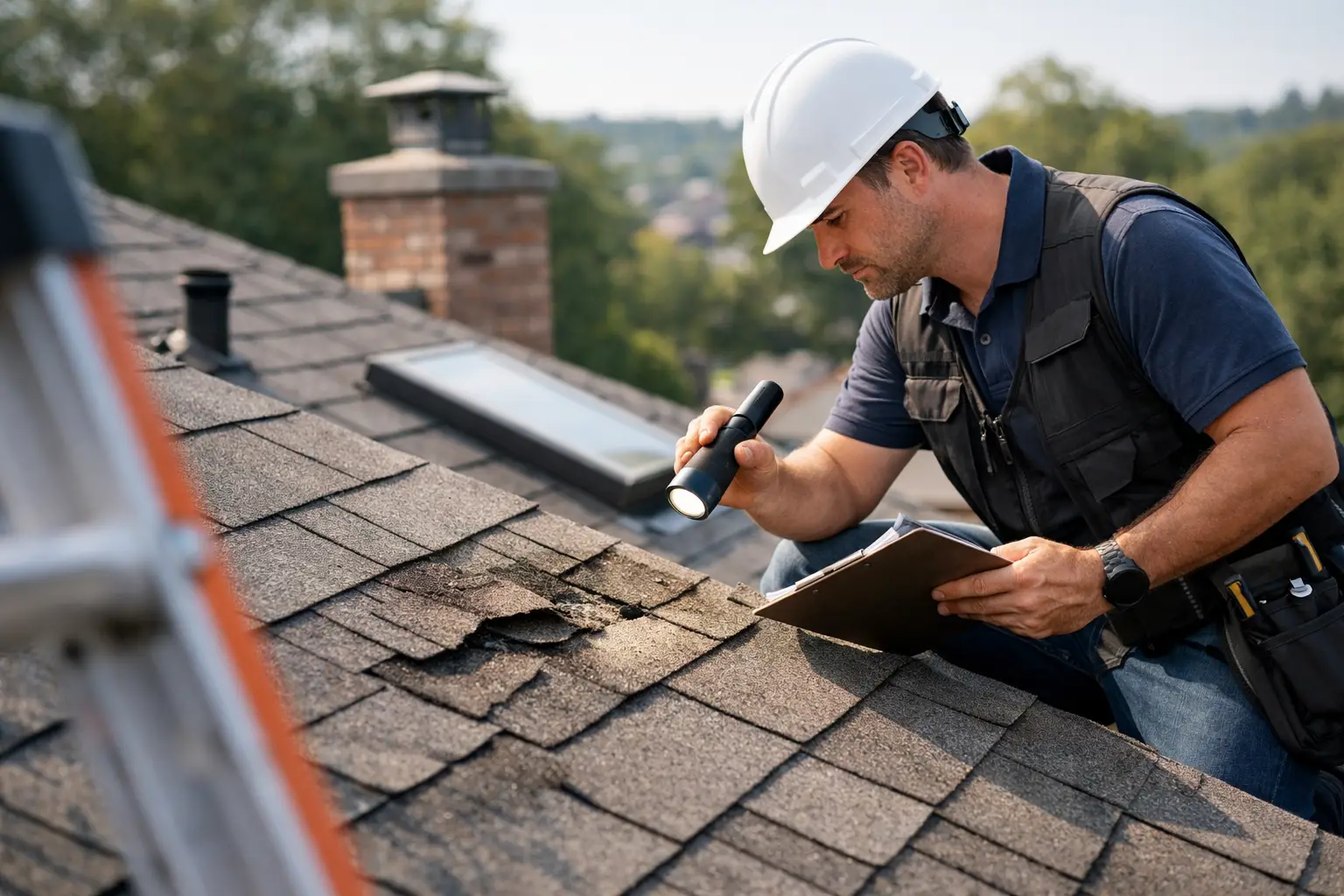
On shingle roofs, that means checking for missing, cracked, lifted, or heavily granulated shingles. It also means looking closely at ridge caps, valleys, pipe boots, skylights, vents, chimneys, and wall-to-roof transitions. Those details take the most punishment because they interrupt the roof’s water-shedding surface.
Metal roofs need their own kind of attention. Loose or backed-out screws, worn washers, open lap seams, failed sealant, rust around fasteners, and damaged flashing can all let water in. A metal roof may last a long time, but it is not maintenance-free. A small leak at one screw line can wet insulation or decking without making a dramatic mark inside right away.
Flat and low-slope roofs, including EPDM and TPO systems, require a different eye again. Ponding water, split seams, punctures, edge failures, and clogged drains matter more than the age of the surface alone. If water stays where it should be draining, the roof is telling you something.
The inspection should include gutters and drainage when they affect the roof. Valleys full of leaves are how cabin roofs die. Water backs up, works under roofing materials, and keeps wood wet longer than it should be. The wood the weather gets to first is often at the eaves, fascia, and roof edge.
When to Schedule a Roof Inspection
A roof does not have to be actively leaking to deserve attention. For most properties, an inspection once a year is a sensible baseline, preferably before the season when storms, leaf buildup, or freezing weather will test the roof hardest.
Cabins and short-term rentals often need more frequent checks. Trees, long gaps between visits, and changing guests create a different risk profile than an occupied home. If your property sits empty for part of the year, a small problem can keep growing with nobody there to notice the first drip. An inspection before a busy rental season, after leaf fall, and following a major storm is often money well spent.
There are also moments when waiting is a bad bet. Schedule a prompt inspection after high winds, hail, a fallen limb, or a storm that sends water into the attic or ceiling. Call if you see a new stain, peeling paint near a ceiling line, wet insulation, a musty attic smell, loose roofing material in the yard, or gutters pulling away from the fascia.
Not every storm calls for a full roof replacement. In fact, many do not. But a storm can loosen flashing, crease shingles, shift metal trim, or open a seam just enough to start a leak. Finding that one failed spot early is the whole point.
What Happens During a Professional Inspection
A thorough roof inspection should begin with the property, not a sales pitch. The inspector should ask what you have seen: a leak location, when it appears, whether it happens only in wind-driven rain, how old the roof is, and what repairs have been made before. A ceiling stain near a chimney, for example, can come from flashing, a roof-to-wall detail, a pipe penetration uphill, or condensation. Guessing wastes time.
From the ground, the roofline, gutters, downspouts, siding, fascia, chimney, and visible drainage paths provide clues. Then, when conditions allow safe access, the roof surface gets a closer review. The attic or interior space matters too. Water often travels along framing before it shows itself, so the visible stain is not always directly below the entry point.
Photo documentation makes the inspection more useful, especially for owners who live hours away. Clear photos of the issue, the surrounding area, and the completed repair remove a lot of uncertainty. You should be able to see what was found and understand why a repair is recommended.
Central Property Services provides before-and-after photos because remote owners should not have to take a contractor’s word for it. If the roof needs a targeted repair, the evidence should support that recommendation. If it does not need work, you deserve that straight answer too.
Repair First Does Not Mean Ignore a Worn Roof
There is a practical middle ground between “patch everything forever” and “replace it all now.” A repair-first inspection looks for the actual source of failure and considers whether a focused repair will protect the building for a reasonable period.
A missing shingle, failed pipe boot, open flashing joint, or damaged ridge cap may be a straightforward repair. So may a metal roof with a handful of failed fasteners or sealant joints. Replacing an entire roof for one repairable defect does not make sense.
But there are times when repair becomes a poor investment. If roofing materials are broadly brittle, the decking has widespread damage, leaks are showing up in multiple unrelated areas, or repeated repairs are chasing failures across an aging roof, replacement may be the more honest recommendation. The right answer depends on the roof system, its age, the building’s use, and how long you plan to hold the property.
For rental owners, the decision also includes downtime. A small preventive repair made between bookings is usually easier and cheaper than an emergency response when guests are already checking in under a leaking ceiling.
A Few Things Owners Can Check Safely
You do not need to walk a roof to stay alert. In fact, walking a steep, wet, high, or unfamiliar roof is how people get hurt and how fragile materials get damaged. Start from the ground, use binoculars if needed, and check the attic after heavy rain.
Look for displaced shingles or metal panels, sagging gutters, dark streaks below roof edges, branches rubbing the roof, piles of debris in valleys, and water spilling over gutters. Inside, watch for fresh staining, damp insulation, bubbling drywall, or a smell that suggests moisture has been trapped too long.
Keep records of what you see. A quick phone photo after a storm can help establish whether damage is new. For a cabin or rental, ask a cleaner, caretaker, or guest-turn crew to report ceiling stains, dripping sounds, and wet spots immediately. Small observations are often what prevent a larger loss.
The Cost of Waiting Is Usually Hidden at First
Roof problems rarely announce themselves with a dramatic hole. More often, water enters in a small amount and repeatedly wets the same framing, insulation, drywall, or trim. That is when a modest flashing repair turns into decking replacement, interior repairs, mold cleanup, or rot around a chimney chase.
For a short-term rental, the cost can also include canceled stays, refunds, rushed cleaning, and damage to furniture or finishes. For a commercial property, it can mean slippery floors, interrupted operations, or inventory damage. The roof is not just a surface overhead. It protects everything that makes the property valuable.
A good inspection gives you a clear condition report and time to make a decision before the weather makes it for you. If a storm has hit, a leak has appeared, or your cabin has been sitting through another leaf season, get eyes on the roof now. A focused repair today may be all it takes to keep the next rain outside where it belongs.
Leave a Reply