A storm can tear a shingle loose at noon and leave water running down a bedroom wall by midnight. Around Beattyville, Slade, Stanton, Campton, and the Red River Gorge, storm restoration is not just about making a roof look normal again. It is about stopping water, finding where the weather got in, and protecting the parts of the property that cost the most to replace.
That is especially true for cabins and short-term rentals. An owner may be two states away while wind drives rain beneath lifted metal panels, a tree limb punches a hole near the ridge, or backed-up gutters send water behind the fascia. The first job is not selling a new roof. The first job is getting the property dry and getting a straight answer about what actually needs repair.
What Storm Restoration Should Handle First
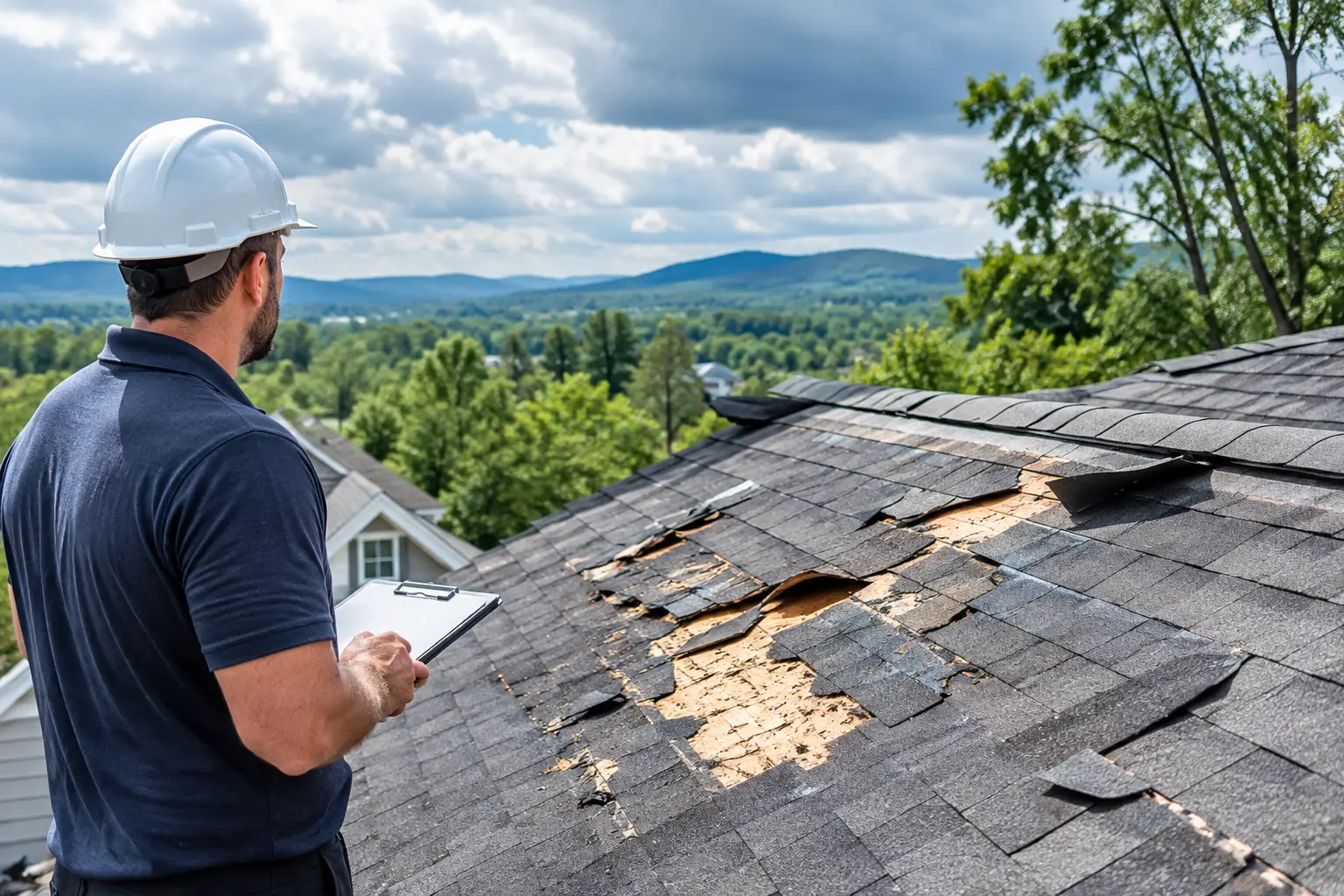
After high wind, hard rain, hail, or a fallen limb, the visible damage is only part of the story. Missing shingles, bent flashing, torn siding, and branches on the roof need attention, but water often enters at less obvious places: a chimney transition, pipe boot, valley, roof-to-wall connection, or old fastener hole.
A proper response begins with a safe exterior assessment and an interior check where possible. Fresh ceiling stains, wet insulation, bubbling paint, damp attic decking, and musty smells are all clues. Water does not always show up directly below the opening. It can travel along framing, roof decking, wiring, or insulation before it finds a place to drip.
If rain is still coming or the roof is open, a temporary dry-in or emergency tarp is the priority. A tarp is not a repair, but it can be the difference between replacing a few damaged materials and dealing with soaked drywall, ruined flooring, mold conditions, or rot in the framing.
For remote owners, documentation matters just as much as speed. Before-and-after photos show what was found, what was protected, and what was repaired. That gives a cabin owner or property manager something better than a vague text saying the job is done.
Storm Restoration Is Usually a Repair Decision First
Storm damage does not automatically mean full roof replacement. Sometimes a roof has reached the end of its useful life, and replacement is the sensible call. But a localized leak from displaced flashing, a few wind-damaged shingles, cracked pipe boots, loose ridge cap, or damaged metal-roof screws can often be repaired without replacing the whole system.
The right answer depends on the roof’s age, material, condition before the storm, and how widespread the damage is. A newer shingle roof with one torn section calls for a different plan than an older roof with widespread granule loss, multiple active leaks, and soft decking. The same goes for metal roofs. A few backed-out fasteners and failed sealant points are repair work. Widespread corrosion, loose panels, or damaged framing may call for more.
Be cautious with anyone who reaches a replacement conclusion from the driveway. A roof needs a close look at the places where water enters and at the materials beneath the visible surface. The goal is to repair the actual source of the problem, not simply cover up a stain or recommend the biggest possible job.
Damage that needs same-day attention
Some problems should not wait for a convenient appointment. Call for immediate help when a tree or limb has struck the roof, a section of roofing is missing, water is actively entering the building, flashing has peeled back, or a commercial flat roof is holding water after a storm.
A cabin with guests arriving soon also needs a quick response, even if the leak appears small. Water, guests, and a weekend turnover schedule are a bad combination. A fast dry-in gives you room to make a permanent repair correctly instead of rushing through one while the property is exposed.
The Trouble Spots Kentucky Storms Expose
Wind rarely damages a roof evenly. It gets under edges, catches weak flashing, lifts shingles that were already losing their seal, and pushes rain uphill into places that normally shed water. Heavy rain then finds every neglected drainage problem on the property.
Valleys are a common failure point around wooded cabins. Valleys full of leaves are how cabin roofs die. The debris holds moisture, slows drainage, and gives wind-driven rain a place to work its way beneath roofing material. Clogged gutters do much the same thing at the roof edge. Water spills over, wets fascia and soffit, and eventually attacks the wood the weather gets to first.
Chimneys, skylights, dormers, and roof-to-wall transitions also deserve close attention after a storm. These are not areas where a tube of caulk is always a real fix. Failed step flashing, damaged counterflashing, cracked masonry joints, and rotten trim may need targeted repair so water is directed away from the building instead of trapped behind a surface patch.
For commercial properties, storm restoration may involve EPDM, TPO, modified bitumen, or other flat-roof systems. Look for lifted seams, punctures, open flashing, clogged drains, and ponding water. A small opening in a membrane can let water migrate far beyond the visible damage, so timely leak tracing matters.
What to Do Before Help Arrives
Do not climb onto a wet or wind-damaged roof. Loose shingles, hidden punctures, wet decking, and downed limbs turn a simple inspection into a fall risk fast. Take photos from the ground if it is safe, including visible roof damage, fallen branches, standing water, and interior stains.
Inside, move furniture, electronics, linens, and rental supplies away from active leaks. Catch dripping water in containers and protect floors with towels or plastic sheeting. If a ceiling is sagging with trapped water, stay out from under it and keep guests away from the area. A water-heavy ceiling can fail without much warning.
If the property is vacant, shut off water only if you suspect a plumbing issue rather than roof damage. Do not assume every ceiling stain came from the storm. A good inspection separates roof leaks from failed plumbing, condensation, and other causes before money is spent in the wrong place.
Keep receipts for emergency mitigation, photos, and notes about when the damage occurred. If you plan to file an insurance claim, this record can help. Insurance coverage varies by policy and cause of loss, so a contractor should document damage clearly but should not promise what an insurer will approve.
Permanent Repairs Should Address Water, Not Just Appearance
Once the roof is dry and conditions are safe, the permanent work should solve the pathway water used. That might mean replacing damaged shingles and underlayment, resetting metal panels, repairing flashing, replacing a pipe boot, sealing a penetrated membrane, fixing rotted decking, or correcting drainage that keeps sending water where it does not belong.
It can also include related exterior work. Storms may tear loose gutter sections, bend downspouts, open siding seams, damage trim, or expose rotten fascia. Leaving those issues behind can undermine an otherwise solid roof repair. Water management is a property system, not a single trade line.
For cabins and rentals, consider what the next hard rain will reveal. A repaired leak is good. A cleared valley, working gutter, solid chimney flashing, and photos showing the finished work are better protection for the next guest, the next booking, and the next storm.
Make the Next Storm Less Expensive
The cheapest storm damage is often the damage that never gets the chance to spread. Regular gutter cleaning, valley clearing, loose-flashing checks, tree-limb trimming, and small roof repairs keep a weather event from turning into a major interior project. This matters most on properties that sit empty for days or weeks at a time.
Central Property Services approaches storm work repair-first: protect the building, identify the source, repair what is damaged, and document the result. If the roof needs more than a repair, you should hear that plainly. If it does not, you should not be pushed into replacement.
When the rain stops, do not judge the property by whether the drip stopped too. Look for the place water will try next, and fix it before the next forecast gives it another chance.
Leave a Reply