A vacant rental can go from quiet to waterlogged in one hard freeze. To winterize vacant rental homes the right way, you need more than a thermostat setting and a locked door. You need to remove the conditions that let frozen pipes burst, roof leaks spread, gutters back up, and small exterior problems become expensive repairs while nobody is there to catch them.
For landlords, cabin owners, and short-term rental hosts around the Red River Gorge, winter protection is not a one-size-fits-all checklist. A furnished cabin with guests arriving next weekend needs a different plan than a long-term rental that will sit empty until spring. The goal is the same: keep water out, keep pipes from freezing, and make sure somebody can spot trouble before it gets into the floors, walls, and framing.
Start With the Water System
Water does the most damage when a house is empty because a small failure can run for days. If the rental will be vacant for an extended period, shutting off the main water supply is usually the safest move. But shutting off the water alone does not empty pipes. Water left in a low section of line, an outdoor spigot, or a washing machine hose can still freeze and break fittings.
Drain the plumbing after the main shutoff is closed. Open faucets on each level, flush toilets, and drain exterior hose bibs. Disconnect garden hoses completely. A hose left attached can hold water against the faucet and split the pipe inside the wall, which is a miserable surprise in February.
For a property that will be fully unoccupied, have a qualified plumber winterize the system with the right process for the building. That may include blowing out supply lines and adding plumbing antifreeze to toilet bowls, tanks, sink traps, and floor drains. Do not pour automotive antifreeze into drains. Use plumbing antifreeze made for this purpose.
If the rental needs to remain usable between bookings, leave the water on only when there is a real reason to do so. Keep the heat steady, insulate exposed pipes, and make sure someone checks the home after major cold snaps. This approach carries more risk than a full shutoff, but it can make sense for an active STR property with reliable local oversight.
Set the Heat for the Building, Not the Calendar
Turning the heat off to save money is how vacant homes get expensive fast. In most occupied or intermittently occupied rentals, keeping interior temperatures at 55 degrees or higher is a sensible baseline. Older homes, crawlspace homes, properties with plumbing on exterior walls, and cabins exposed to wind may need a higher setting.
Do not trust a thermostat just because it has a fresh battery. Confirm the heat source is actually operating, replace furnace filters where applicable, and make sure vents are open and unobstructed. If the property uses propane, check the tank level before the coldest part of the season. A heat system cannot protect pipes after the fuel runs out.
Electric space heaters are not a vacant-home solution. They can tip, fail, overload a circuit, or create a fire risk. Fix the building’s heat system instead of asking a portable heater to carry the whole house.
Keep Roof Water and Gutter Water Moving
A frozen pipe is dramatic, but roof and gutter problems can quietly destroy a vacant rental too. Wet leaves packed into valleys hold moisture against shingles and metal panels. Valleys full of leaves are how cabin roofs die. Once water works under flashing or finds a soft spot around a vent, it can soak insulation and framing long before a ceiling stain appears.
Before winter, inspect the roof for lifted shingles, missing fasteners on metal roofing, damaged vent boots, loose chimney flashing, and old patchwork around penetrations. Look from the ground first, and do not climb onto a steep, wet, or icy roof. If there is a known leak, repair the source before winter weather turns a manageable repair into interior damage.
Clean gutters and check that downspouts are attached, clear, and discharging away from the foundation. A clogged gutter can overflow behind fascia, soak the wood the weather gets to first, and create rot where you cannot see it from the driveway. Water dumped beside the foundation can also enter a crawlspace or basement when the ground is saturated.
Pay attention to drainage around the property. Regrade low spots where possible, extend downspouts, and clear ditches or swales that are supposed to carry runoff away. In the hills around Beattyville, Slade, Campton, and Stanton, water rarely stays where you wish it would. It follows the easiest path, and that path should not be under your rental.
Seal Up the Exterior Before Wind Finds the Gaps
Winter wind pushes rain into places a summer shower may never reach. Walk the exterior and check doors, windows, siding corners, utility penetrations, crawlspace access panels, and soffit areas. Replace failed weatherstripping, secure loose siding, and repair broken latches that allow doors or windows to shift in strong wind.
This is also the time to remove branches that hang over the roof, especially dead or split limbs. A branch does not have to punch through a roof to cause trouble. It can tear gutters loose, damage metal panels, break a skylight, or block drainage with a pile of wet debris.
If the home has a crawlspace, close and secure access doors while keeping any intended ventilation strategy intact. The right setup depends on whether the crawlspace is vented, encapsulated, heated, or prone to standing water. Do not simply block every opening without understanding how moisture is managed underneath the house.
Protect the Rental From Power, Pests, and Small Failures
Unplug nonessential electronics and appliances, but do not shut down equipment that needs power for heat, sump pumps, alarms, cameras, or monitored leak sensors. Empty refrigerators if the power may be turned off, clean them, and leave doors propped open so mold does not take over the interior.
Remove trash, food, candles, and anything that can attract pests or create a fire hazard. Mice are looking for the same thing you are: dry shelter. Seal obvious exterior gaps and check around pipe penetrations, foundation openings, and damaged siding. A cabin left empty with one loose vent screen can become a winter hotel for rodents.
Test smoke alarms and carbon monoxide detectors, replace weak batteries, and verify that any security system still communicates after internet or power interruptions. If the property has a sump pump, test it before heavy winter rain. A working pump with a failed check valve or a frozen discharge line may not protect the basement when it matters.
Build a Check-In Plan for Remote Owners
A vacant property still needs eyes on it. Smart thermostats, water-leak sensors, cameras, and freeze alerts are useful, but they are not a substitute for a physical inspection. Internet drops. Batteries die. Sensors only report what they are installed to detect.
Set a written check-in schedule based on the property’s risk. A newer rental on city utilities may need fewer visits than an older cabin with a crawlspace, propane heat, a steep roof, and a long driveway. After a major windstorm, prolonged freeze, heavy rain, or power outage, move the inspection up.
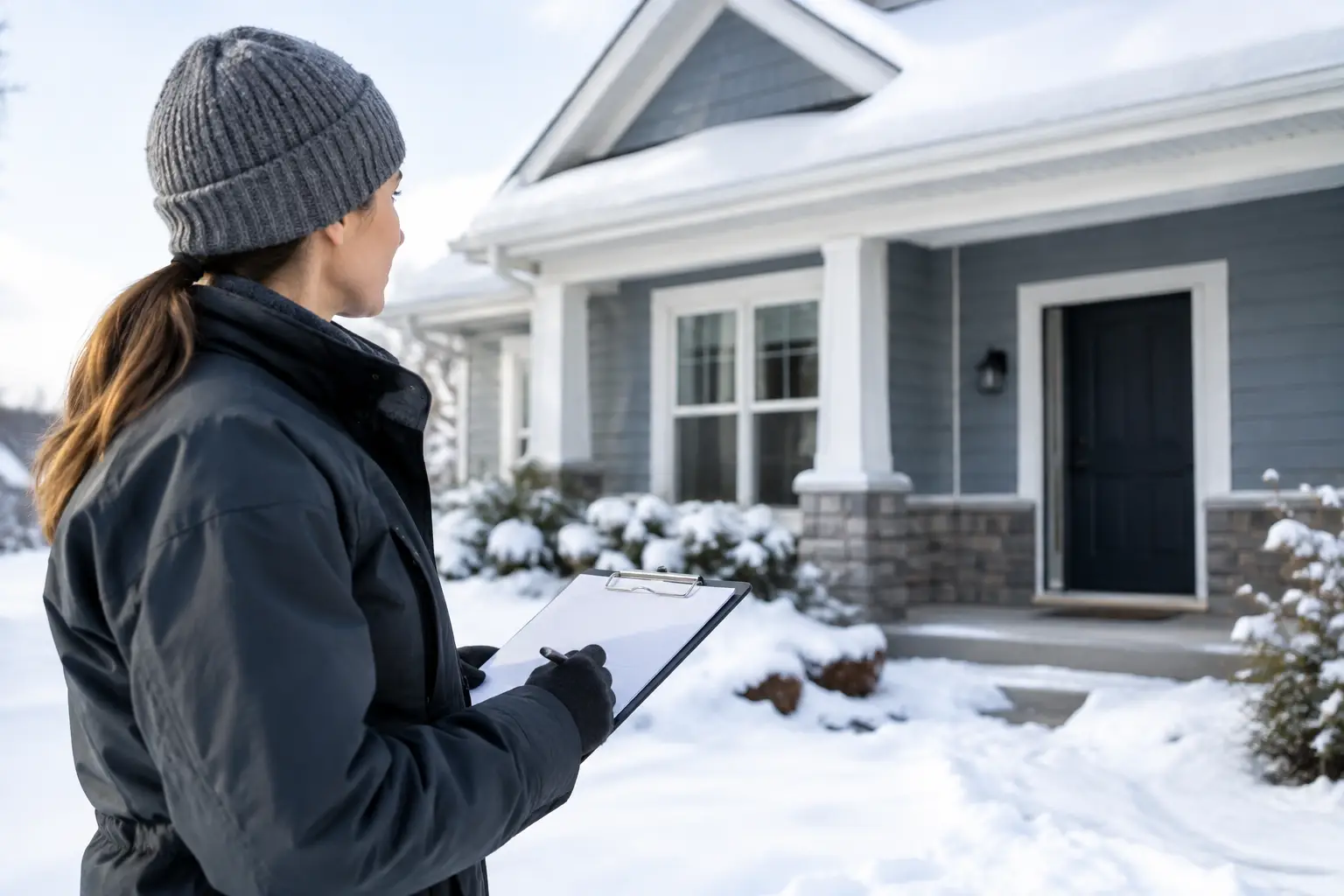
Ask the person checking the rental to look for heat operation, active leaks, ceiling stains, standing water, fallen limbs, ice buildup, damaged gutters, and signs of entry. They should also take clear photos inside and out. Remote owners should not have to guess whether a problem was handled or whether someone simply drove past the driveway.
Central Property Services provides before-and-after photos on property-care work because documented work matters when the owner is hours away. Whether you use a local contractor, a property manager, or a trusted neighbor, require the same kind of proof. A text that says “all good” is less useful than photos of the thermostat, utility room, roofline, and exterior conditions.
Winterize Before the First Hard Freeze
Do not wait for the forecast to show 20 degrees before making calls. Roof repairs, gutter work, plumbing service, and tree trimming are easier to schedule before every owner in the county realizes winter is coming. Early preparation also gives you time to correct what the inspection finds instead of applying a temporary patch in bad weather.
Keep a simple property file with shutoff locations, utility contacts, heating details, photos of the plumbing layout, and the name of the person authorized to enter during an emergency. That information turns a stressful phone call into a fast response.
The best winter plan is the one that fits how your rental will actually sit. Shut down and drain a truly vacant house. Maintain heat and regular checks for an active cabin. Either way, deal with the small water paths now, because winter has a way of finding every one you leave open.
Leave a Reply